India has solidified its position as the undisputed global leader in milk production and consumption. In the financial year 2023-24, the country produced a staggering 231 million tonnes of milk, accounting for approximately 25% of the world's total milk supply. Domestic consumption has also seen a steady rise, crossing 210 million metric tons in 2024, up from 207 million tons the previous year.
The Cultural and Nutritional Pillar of India
In India, milk transcends its role as a mere dietary component; it is deeply woven into the nation's cultural and spiritual fabric. References to milk as "amrit" or nectar are found in ancient texts like the Vedas and Ayurveda. Its use in rituals dates back to the Harappan civilization around 3300 BCE. The playful imagery of Lord Krishna stealing butter underscores the purity associated with dairy. In Ayurveda, milk is considered "sheetal" or cooling, often recommended to balance spicy diets. It remains an indispensable element in Hindu puja ceremonies and as prasad.
The nutritional profile of milk makes it a cornerstone, especially for vegetarian diets prevalent in India. A standard 250ml glass provides about 8 grams of protein, 300mg of calcium (30% of the Recommended Dietary Allowance), and 50% of the RDA for Vitamin B12. When fortified, it also offers Vitamin D, along with potassium and phosphorus. These nutrients are crucial for bone health—a significant concern in osteoporosis-prone populations—muscle repair, blood sugar stabilization, and heart health due to compounds like CLA and omega-3 fatty acids.

Production Boom and Regional Leaders
The monumental growth in India's dairy sector is largely attributed to the success of Operation Flood, popularly known as the White Revolution. This initiative transformed India from a milk-deficient nation into the world's largest producer. The per capita availability of milk has now reached 471 grams per day nationwide. However, consumption varies significantly across states. Punjab leads the country with an impressive 1,245 grams per person per day, followed by Gujarat at 700 grams, as per data from the National Dairy Development Board.
The Dark Side: Rampant Adulteration
Despite this impressive scale of production, a severe crisis of adulteration threatens consumer safety. A 2025 survey by the Food Safety and Standards Authority of India (FSSAI) revealed a shocking 68.7% failure rate in milk safety tests. Commonly found contaminants include urea, caustic soda, starch, and even detergents, posing serious health risks.
To combat this, FSSAI has approved several simple home tests that consumers can perform to check for common adulterants:
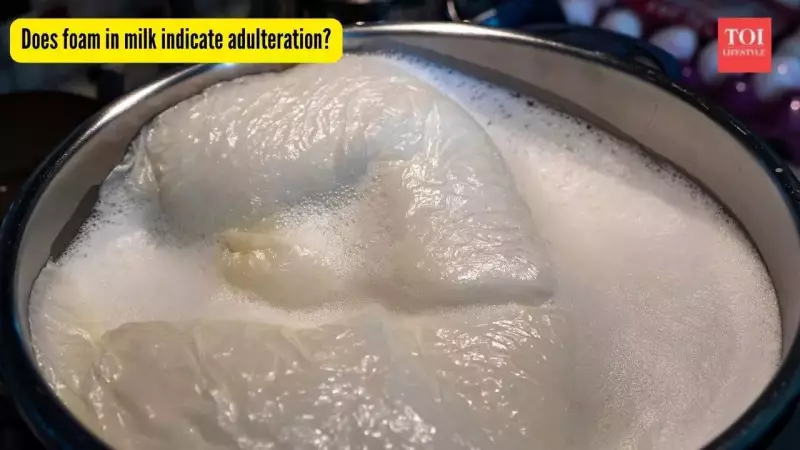
- Foam Check (Boiling Test): Boil half a cup of milk. Pure milk forms mild foam that settles quickly. Excessive, persistent, and sticky foam may indicate adulteration with detergent.
- Slippery Palm Test: Place a few drops of milk on your palm and rub. Pure milk washes off cleanly, while milk adulterated with urea or starch will feel sticky and soapy.
- Litmus Test: Mix 5ml milk with half a teaspoon of soy powder, shake, and wait five minutes. Dip a red litmus paper. If it stays red, the milk is pure; if it turns blue, urea is likely present.
- Iodine Test: Add 2-3 drops of iodine to 5ml of milk. A blue-black color suggests the presence of starch, used for thickening.
- Taste and Smell Test: Sip cooled milk. A bitter taste, burning sensation, or unusual smell can signal adulterants like formalin or synthetic compounds.
- Fridge Test: Pure milk typically thickens when refrigerated overnight. A rancid smell upon opening indicates spoilage or adulteration.
While lactose intolerance is often discussed, experts note that around 70% of the Indian population can digest milk without issue, contrary to some Western perceptions. For those who are intolerant, traditional solutions like curd (yogurt) provide a digestible alternative with similar benefits.

The story of milk in India is one of spectacular success shadowed by a critical challenge. As the nation continues to lead the world in dairy, ensuring the purity and safety of this culturally sacred and nutritionally vital commodity remains a paramount task for regulators, producers, and consumers alike.