

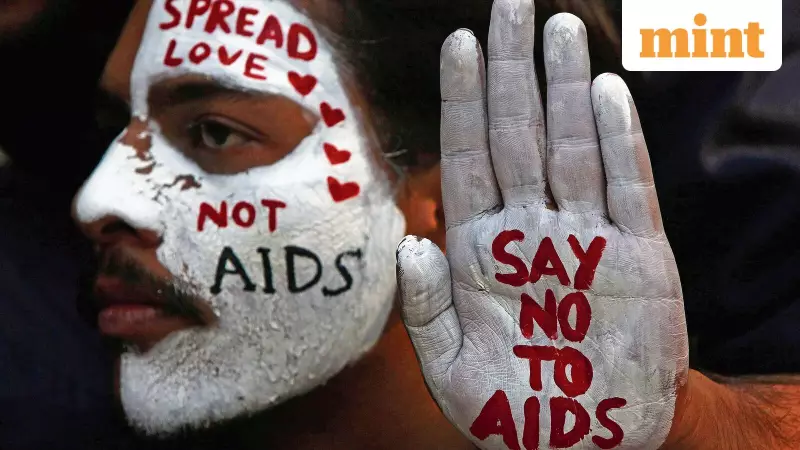
Every year on the first of December, the world unites to observe World AIDS Day, a crucial global event dedicated to raising awareness about the HIV/AIDS pandemic. In India, this day is marked by extensive nationwide awareness campaigns and community outreach programmes orchestrated by health authorities. The National AIDS Control Organization (NACO), operating under the Ministry of Health & Family Welfare, spearheads events designed to bring people together in the ongoing battle against this persistent public health challenge.
Understanding HIV and AIDS: The Theme and History
The commemoration focuses on educating the public about Human Immunodeficiency Virus (HIV) and Acquired Immunodeficiency Syndrome (AIDS). Medical experts explain that HIV attacks the body's immune system, specifically the helper T-cells, weakening its defenses. When the immune system becomes severely compromised with too few cells to fight infections, it leads to AIDS, making the individual vulnerable to other diseases.
This year's World AIDS Day carries the powerful theme: "Overcoming disruption, transforming the AIDS response." The day itself has a deep history, having been first observed by the World Health Organization (WHO) in 1988. The date of December 1 was proposed by James Bunn, a former television journalist from San Francisco. It has since become one of WHO's eleven official global public health campaigns, serving as a vital platform for governments and communities worldwide.

India's Evolving Strategy: From Awareness to Ending the Epidemic
India's approach to combating HIV/AIDS has transformed significantly over the past three decades through the National AIDS Control Programme (NACP). The programme has evolved through five distinct phases, shifting its focus from basic awareness to a comprehensive strategy encompassing prevention, testing, treatment, and sustainability. A landmark policy moment came with the enactment of the HIV/AIDS (Prevention and Control) Act in 2017, which established a strong rights-based framework.
The current and fifth phase of NACP (2021–2026) is the most ambitious yet. With a massive outlay of Rs. 15,471.94 crore, its goal is aligned with the United Nations’ Sustainable Development Goal 3.3: to end the AIDS epidemic as a public health threat by 2030. According to a PIB press release, Phase-V aims to build on past successes and tackle persistent challenges by ensuring comprehensive access to prevention, testing, and treatment services for all.
Causes, Symptoms, and the Path to Treatment
Understanding how HIV spreads is key to prevention. The virus can be transmitted through unprotected sexual contact, sharing needles or syringes with an infected person, and from an HIV-positive mother to her child during pregnancy, childbirth, or breastfeeding if the infection is not treated. While there is currently no cure for HIV, modern medicine offers highly effective antiviral treatments. These medications can control the infection, prevent it from progressing to AIDS, and significantly reduce AIDS-related deaths.
Recognizing the symptoms of HIV infection is crucial for early testing and treatment. Common signs include:
- Fever and headache
- Muscle aches and joint pain
- Skin rash and painful mouth sores
- Sore throat and swollen lymph glands, especially in the neck
- Persistent diarrhoea, weight loss, cough, and night sweats
Emphasizing accessibility, NACO recently reminded citizens via social media that "HIV and STI testing is available free of cost at your nearest government hospital." This nationwide network of testing is a cornerstone of India's strategy to identify infections early and link individuals to life-saving care, moving steadily toward the 2030 goal of ending the AIDS epidemic.






