

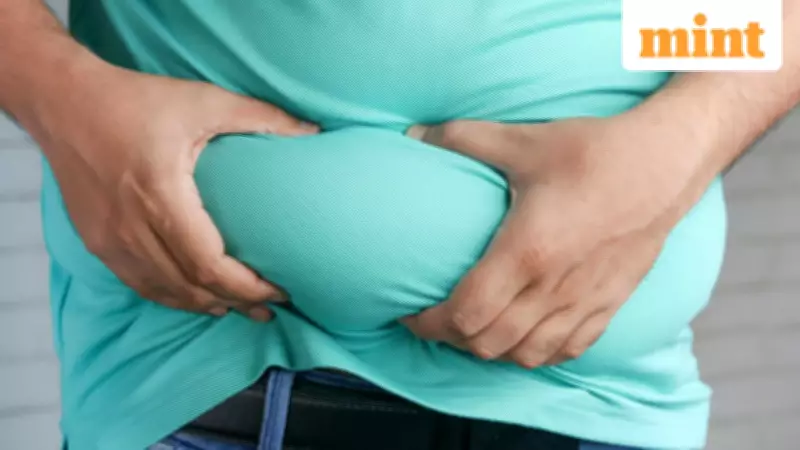
A recent nationwide survey has uncovered a startling reality about India's growing public health challenge: obesity is now pervasive in the social fabric of the country. According to the latest LocalCircles survey, a significant majority of Indians are witnessing obesity firsthand within their immediate circles, highlighting an urgent national concern.
Economic Survey 2026 Sounds Alarm on Obesity Trends
The LocalCircles findings come at a critical juncture, as the Economic Survey 2026, released on January 29, has already raised red flags about the escalating obesity crisis across all age groups in India. The government document explicitly points to unhealthy dietary patterns, increasingly sedentary lifestyles, and the rising consumption of ultra-processed foods as the primary drivers behind this worrying trend.
Importantly, the Economic Survey underscores that obesity significantly elevates the risk of developing serious non-communicable diseases. These include diabetes, hypertension, and various forms of heart disease, which collectively place a tremendous burden on the nation's healthcare infrastructure and the well-being of its citizens.

Survey Reveals Widespread Personal Encounters with Obesity
The LocalCircles survey provides a granular look at how obesity is impacting Indian society on a personal level. An overwhelming 76% of respondents confirmed that they have one or more obese individuals within their close social network. This network includes family members, friends, colleagues, and neighbours.
Delving deeper into the data reveals even more concerning patterns. A substantial 42% of those surveyed reported having four or more obese individuals in their immediate circle. Furthermore, 56% indicated that the obese individuals they know are also suffering from associated lifestyle diseases. These comorbidities frequently include diabetes, high blood pressure, elevated cholesterol levels, and fatty liver disease.
Identifying the Root Causes of Obesity
When asked about the perceived causes of obesity among their acquaintances, respondents pointed overwhelmingly toward modifiable lifestyle factors. Approximately 64% attributed the condition to a combination of sedentary habits, a lack of regular physical exercise, and the consumption of fatty or ultra-processed foods. This consensus strongly suggests that lifestyle choices remain the predominant contributor to the obesity epidemic in India.
Official health data corroborates the survey's alarming findings. The National Family Health Survey (NFHS-5) indicates that nearly a quarter of the adult population is affected, with 24% of women and 23% of men classified as overweight or obese. The crisis is not confined to adults; it is also spreading among the youngest citizens. The prevalence of excess weight in children under five years old has risen from 2.1% during the 2015–16 period to 3.4% in the 2019–21 timeframe.
India's Global Standing in the Obesity Epidemic
The scale of the problem has propelled India onto the global stage in a concerning manner. The World Obesity Federation now ranks India as the world's third most obese nation, trailing only the United States and China. This dubious distinction underscores the magnitude of the public health challenge facing the country.
In response to this crisis, pharmaceutical weight-loss solutions and bariatric surgical procedures are gaining popularity, particularly among more affluent segments of society. However, health experts consistently caution that obesity is a complex condition that cannot be sustainably addressed through medication or surgery alone.
The survey findings reinforce this expert opinion, emphasising that the most effective long-term solution lies in sustainable lifestyle modifications. These include adopting regular physical activity, maintaining a balanced and nutritious diet, and significantly reducing the intake of ultra-processed foods.
Public Hopes for Budget 2026 Interventions
As the health crisis intensifies, public attention is turning toward potential policy solutions. The LocalCircles survey notes that many Indians are looking to the upcoming Union Budget 2026 for much-needed relief and proactive measures.

There is a growing public expectation for the government to implement fiscal policies that make healthy living more accessible and affordable. Respondents expressed hope for reduced taxes and improved affordability of products and services that promote fitness, proper nutrition, and preventive healthcare.
With obesity now unequivocally recognised as a critical national health concern, there is a widespread belief that immediate and decisive policy measures could play a pivotal role. Such interventions are seen as essential for encouraging healthier choices among the population and, crucially, for preventing lifestyle diseases before they escalate to the point of requiring extensive medical intervention.





