

India's Silent Health Emergency: Tobacco and Alcohol Claim Over 1.3 Million Lives Annually
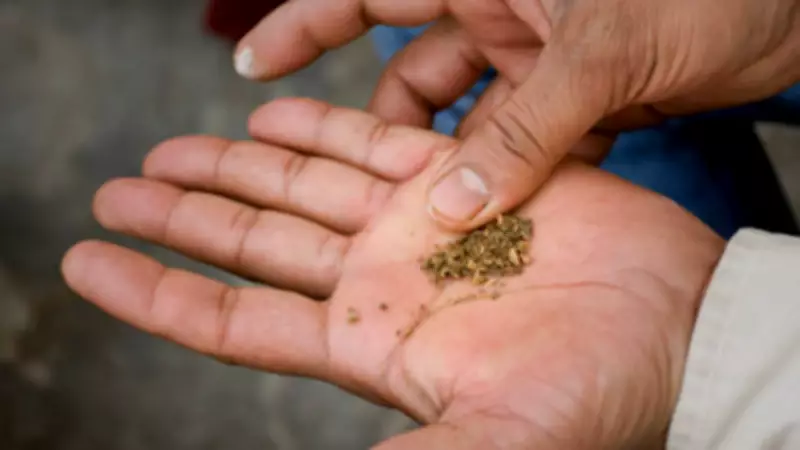
Walk into any neighborhood shop across India, and you will inevitably encounter two products sold with alarming casualness: cigarettes and inexpensive tobacco sachets. Combine this with alcohol, which has gained unprecedented social acceptance in recent years, and the result is a public health catastrophe unfolding in plain view across the nation.
India is grappling with a staggering 260 million tobacco users, a figure that translates to nearly one in every three adults. Tobacco consumption alone is responsible for more than 1.3 million Indian deaths each year—a devastating toll from a completely preventable cause. The impact extends far beyond lung cancer, with tobacco strongly linked to heart disease, stroke, chronic obstructive pulmonary disease, and various oral cancers, creating a long and brutal list of health consequences.
Alcohol's Growing Toll on Public Health
Alcohol consumption presents a similarly grave challenge. Recent data indicates that approximately 14–16% of Indians consume alcohol, with a significant portion engaging in harmful or dependent drinking patterns. Alcohol contributes substantially to liver cirrhosis, multiple cancer types, road traffic accidents, domestic violence incidents, and mental health disorders. Notably, liver disease has emerged as one of the leading causes of death among young and middle-aged Indian men, with alcohol playing a predominant role in this alarming trend.

The Normalization of Harmful Habits
What exacerbates this crisis is how normalized these behaviors have become in society. Smoking continues to be perceived as a method of stress relief, while alcohol consumption is aggressively marketed as synonymous with celebration, success, and even masculinity. Despite existing warning labels, easy accessibility persists, and innovative marketing strategies continually find ways to circumvent regulatory frameworks.
The fundamental tragedy lies in the preventable nature of this disaster. These are not mysterious diseases without available treatments—they represent behavioral choices and modifiable risk factors. India is not merely confronting tobacco and alcohol problems; it is witnessing a slow-motion public health emergency that demands urgent intervention.
Expert Insights from Oncology Leadership
To better understand this crisis, we consulted Dr. Arun Kumar Goel, Chairman of Surgical Oncology at Andromeda Cancer Hospital, who provided crucial insights into the magnitude and dimensions of this public health challenge.
Question: How significant are tobacco and alcohol in contributing to India's top preventable diseases like cancer, heart disease, and liver conditions?
Dr. Arun Kumar Goel: Inadequate management of tobacco and alcohol consumption in India represents a substantial contributor to numerous illnesses, diseases, and injuries. Tobacco use directly causes various lung, mouth, and throat cancers while significantly elevating heart disease risks. Alcohol consumption is strongly associated with liver diseases, multiple cancer types, hypertension, and cardiovascular conditions. Collectively, tobacco and alcohol lead to millions of preventable deaths and health complications annually.
Question: Are specific age groups or geographical regions in India more severely affected by tobacco and alcohol use?
Dr. Arun Kumar Goel: Alcohol and tobacco predominantly impact young adults and middle-aged individuals. While males have historically demonstrated higher usage rates, female consumption is steadily increasing. Several regions, particularly northeastern states and urban centers, exhibit elevated consumption levels due to factors including:
- Easy accessibility to these substances
- Peer acceptance and social normalization
- High-stress environments
- Entrenched cultural practices and traditions
Alarming Trends in Youth Consumption
Question: How has youth consumption of alcohol and tobacco evolved over the past decade?

Dr. Arun Kumar Goel: Over the last ten years, young people's consumption of alcohol and tobacco has escalated dramatically, especially in urban settings. The rising popularity of new product forms—including vaping devices and flavored tobacco variants—combined with social drinking culture and peer pressure amplified through social media platforms, has made these substances appear fashionable. This has resulted in earlier initiation ages and increased experimentation among youth populations.
Dangerous Misconceptions About 'Safe' Consumption
Question: What common misconceptions do people hold regarding 'safe' levels of drinking or occasional tobacco use?
Dr. Arun Kumar Goel: Many individuals mistakenly believe that occasional drinking or light smoking poses minimal health risks. This is a dangerous fallacy. Even moderate consumption gradually increases cancer and heart disease risks over time. Some also assume that homemade alcohol or social smoking carries reduced dangers, but no form of tobacco is safe, and alcohol-related risks escalate with regular consumption patterns.
Recognizing Early Warning Signs
Question: What are the early indicators that heavy alcohol or tobacco use is compromising health?
Dr. Arun Kumar Goel: Health damage from alcohol and tobacco often manifests through subtle early warnings. For tobacco, these include:
- Persistent coughing episodes
- Shortness of breath during routine activities
- Mouth sores that don't heal properly
- Sleep disturbances and insomnia
- Frequent acid reflux or heartburn
- Unexplained weight loss
- Increased susceptibility to infections
For alcohol, early signs encompass liver discomfort, yellowing of the eye sclera, personality changes, and memory lapses. These symptoms typically develop gradually and should never be ignored.
Pathways to Cessation and Available Support Systems
Question: What practical steps should someone take to quit today, and what support mechanisms are available?
Dr. Arun Kumar Goel: Effective cessation begins with establishing a definitive quit date, identifying personal triggers that prompt substance use, and mobilizing support from family and friends. Multiple evidence-based resources are accessible, including:
- Medical interventions with prescription medications
- Nicotine replacement therapy (NRT) options
- Professional counseling services
- Structured de-addiction programs
India also offers government-sponsored helplines, hospital-based cessation clinics, and numerous NGOs providing free or low-cost assistance for tobacco and alcohol cessation. These resources create a comprehensive support network for individuals committed to achieving substance-free lives.
This preventable health crisis demands coordinated public health initiatives, stricter regulatory enforcement, and widespread awareness campaigns to curb the devastating impact of tobacco and alcohol on India's population. With over 1.3 million lives lost annually to these modifiable risk factors, urgent action is not just advisable—it is imperative for the nation's health security.





