Language Advisory Committee Chairman Seeks Urgent Meeting with Maharashtra Chief Minister
Laxmikant Deshmukh, the chairman of Maharashtra's state language advisory committee, has formally written to the Chief Minister requesting an urgent meeting. The purpose of this meeting is to present the panel's detailed views and recommendations before the government makes any final decision regarding the proposed three-language policy for schools.
Panel's Report and Educational Concerns
The three-language policy committee, which was headed by prominent economist Narendra Jadhav, submitted its comprehensive report to the Chief Minister on February 18th. This submission came after several months of intensive deliberations and research by committee members.
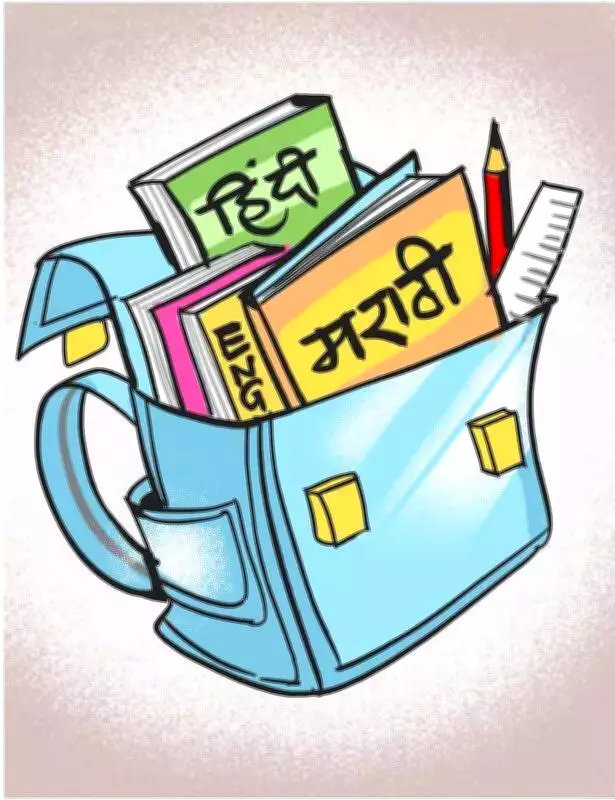
In his communication, Deshmukh expressed significant concerns about the potential implementation timeline. He specifically highlighted that making a third language mandatory from Class 1 would place what he described as "an additional and unnecessary burden" on young children during their foundational educational years.
Educational Principles and Child Development
Deshmukh emphasized that established principles of modern education and child psychology strongly advocate for strengthening the mother tongue during the early developmental stages. He argued that this approach provides children with a more solid cognitive and linguistic foundation.
"The priority should be improving the quality of instruction in both Marathi and English," Deshmukh stated in his letter. He suggested that focusing resources and attention on enhancing these two primary languages would yield better educational outcomes than introducing a third language prematurely.
Broader Context and Implementation Considerations
The language policy debate comes at a time when educational reforms are being closely examined across India. Deshmukh's intervention represents a significant voice in this ongoing discussion, particularly regarding how language policies affect young learners in their formative years.
The committee's recommendations are expected to influence how Maharashtra approaches multilingual education, balancing cultural preservation with practical educational considerations. The state government's final decision will likely have far-reaching implications for curriculum development, teacher training, and resource allocation in schools across Maharashtra.