

Delhi's Annual Smog Crisis Forces Children Indoors
North India has entered that familiar period when mornings begin with a thick, hazardous blanket of smog covering the region. Delhi's Air Quality Index continues its dangerous upward trend, bringing the severe consequences of air pollution back into sharp focus. Beyond the visible surge in respiratory issues like coughs, allergies, and asthma symptoms, there exists a less discussed victim of this seasonal crisis: the fundamental right of children to play, move, and train outdoors.
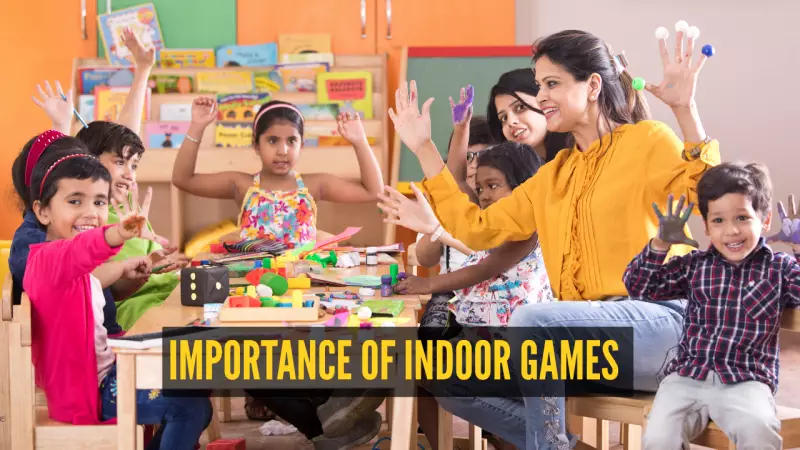
For the young population, this situation presents particularly alarming concerns. Outdoor play forms an essential component of childhood, playing a critical role in physical development, social skills building, and emotional growth. When the air outside turns poisonous, children inevitably retreat indoors, making the importance of indoor play activities more significant than ever.
The Hidden Health Crisis Behind Closed Doors
Concerning data from a World Health Organization report reveals that approximately 80% of adolescents fail to meet recommended physical activity guidelines. A sedentary childhood carries serious long-term consequences, including slowed metabolism, rising obesity rates, and increased vulnerability to diabetes and heart conditions in later years. This makes addressing the negative impacts of confinement and ensuring regular movement for children absolutely vital.

Indoor Play: More Than Just an Alternative
While outdoor play offers undeniable benefits, indoor physical activities provide substantial advantages for overall health and fitness development. The National Health Service in the United Kingdom recommends that children and teenagers aged 5 to 18 years should target at least 60 minutes of moderate to vigorous activity weekly.
Even 30 minutes of daily physical activity can significantly enhance cardiovascular health, muscle development, respiratory function, blood circulation, bone density, flexibility, and metabolic rate while helping manage stress levels in children. Additionally, indoor games contribute to developing both fine and gross motor skills.
Self-confidence and resilience represent crucial aspects of childhood development. Indoor play spaces that encourage self-expression and discovery become environments where children can freely express emotions and learn to navigate various situations. Through indoor activities, children gain understanding of their personal strengths and weaknesses while learning strategies to achieve goals and overcome challenges.
When children begin to perceive movement as enjoyable and rewarding through systems like 'sweat points' or achievement milestones, external motivation becomes unnecessary. They simply require opportunities to learn new skills while playing. Digital platforms that incorporate these reward mechanisms can serve as powerful resilience-building tools, with each point representing expended energy, improved mood, and strengthened lung capacity.
A comprehensive study conducted in Taiwan established a clear connection between higher physical fitness levels in children aged 10-11 years and reduced incidence of anxiety, ADHD, and emotional regulation difficulties. This research effectively demonstrates that physical movement translates directly into mental health benefits.
Time for Decisive Action
Prime Minister Narendra Modi's earlier warning highlighted a disturbing trend: if current patterns continue, one in three Indians could face obesity in the near future. This health crisis begins with how we approach our children's physical development today.
In the current scenario where outdoor sports and physical education frequently get sidelined, schools must organize structured indoor activities including yoga and various indoor games. The integration of the Khelo Bharat Niti policy with the National Education Policy makes focusing on children's fitness and holistic development imperative. This includes establishing physical education as a fundamental component of school curricula.

With worsening air pollution and increasing shifts to online education, educational institutions should proactively conduct workshops and seminars to raise awareness among both students and parents. Collaborating with healthcare professionals presents another effective approach to promoting healthy lifestyles for children.
As Delhi's pollution levels continue deteriorating, indoor play offers a viable solution to maintain active lifestyles within safe environments, regardless of external conditions. Parents and educators must actively encourage and ensure that despite reduced outdoor access, children don't compromise their fitness levels. Irrespective of the outside environment, India's next generation must continue building strength and endurance to protect both physical and mental wellbeing. This has become an urgent necessity.





