

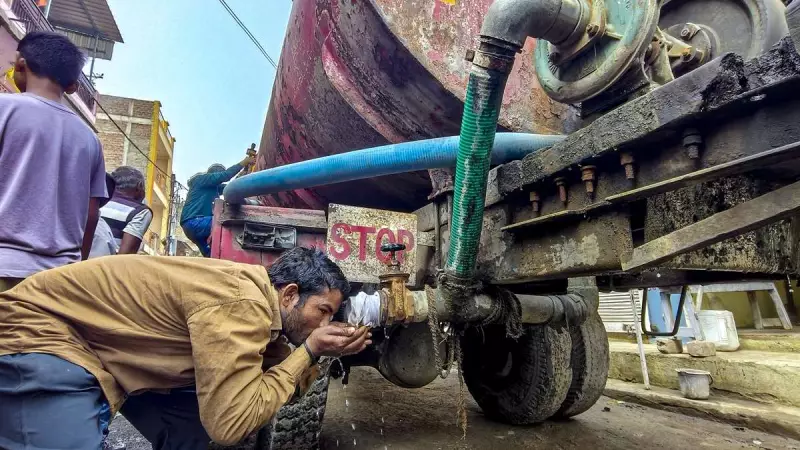
A public health emergency is unfolding in Indore as authorities grapple with a severe water contamination crisis. The situation has led to a significant spike in waterborne illnesses, putting immense pressure on the city's healthcare infrastructure.
Rising Cases and Widespread Screening
Health officials confirmed the detection of 20 new cases of diarrhoea linked to the contaminated water supply. This fresh surge has pushed the total number of patients currently receiving treatment in hospitals to 142. In a massive effort to contain the outbreak and identify affected individuals, a widespread screening operation has been launched.
Over 9000 residents have been screened by medical teams across the affected zones. The scale of the screening underscores the seriousness with which local authorities are treating the contamination event, which came to light on January 5, 2026.

Official Response and Containment Measures
The district administration and health department have sprung into action. A central control room has been established to monitor the situation round-the-clock and coordinate the response. Key actions being taken include:
- Intensified surveillance and door-to-door health checks in vulnerable areas.
- Deployment of rapid response teams to investigate the source of contamination.
- Distribution of oral rehydration salts (ORS) and provision of clean drinking water through tankers in the worst-hit localities.
- Public advisories urging citizens to boil water before consumption and maintain strict hygiene.
Officials are working to trace the exact point of contamination in the water supply network. Initial reports suggest a possible breach or leak that allowed pollutants to enter the system, leading to the diarrhoea outbreak in Indore.
A City on Edge and the Path Forward
The incident has caused considerable anxiety among the residents of Indore, a city known for its cleanliness rankings. The sudden public health emergency has raised serious questions about the safety and integrity of the urban water infrastructure. While hospitals are managing the influx of patients, the focus remains on preventing new infections.
The coming days are critical. The success of the containment measures hinges on identifying and sealing the contamination source, ensuring a continuous supply of safe water, and effective public communication. This water contamination scare serves as a stark reminder of the constant vigilance required to safeguard essential utilities against such crises.






