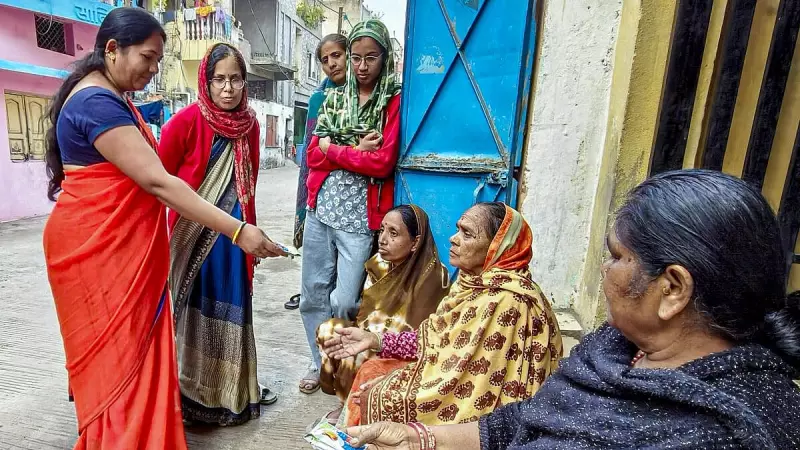
A major public health emergency has unfolded in Indore, Madhya Pradesh, following a severe incident of water contamination. The crisis has resulted in six tragic deaths and led to the hospitalization of more than two hundred people, according to local authorities.
Scale of the Health Crisis
The district collector confirmed the grim toll on January 3, 2026. Of the large number of patients who were rushed to various hospitals across the city, the condition of 34 individuals is reported to be critical. These critically ill patients are currently receiving treatment in intensive care units (ICUs). Medical officials have stated that their treatment is being specially monitored around the clock.
Emergency Response and Investigation
Local administration and health departments have launched a full-scale emergency response to manage the fallout from the contaminated water supply. Teams are working to identify the exact source and nature of the contamination. The incident has prompted widespread alarm among residents, with many reporting severe gastrointestinal symptoms.
Authorities have advised citizens to avoid using tap water for drinking and cooking until further notice. Alternative water supply arrangements, including water tankers, are being deployed to affected areas. The focus remains on providing urgent medical care to those affected and preventing further spread of illness.
Ongoing Concerns and Public Safety
This tragic event highlights the critical importance of safe water infrastructure and robust public health monitoring systems. As investigations continue, questions are being raised about the maintenance and safety protocols of the local water supply network. The community is in mourning, and there is a pressing demand for accountability and swift action to ensure such a disaster does not recur.
The situation remains fluid, with officials expected to provide more details on the cause of the contamination and the long-term measures to be implemented. The priority for now is stabilizing those hospitalized and supporting the families of the victims.