

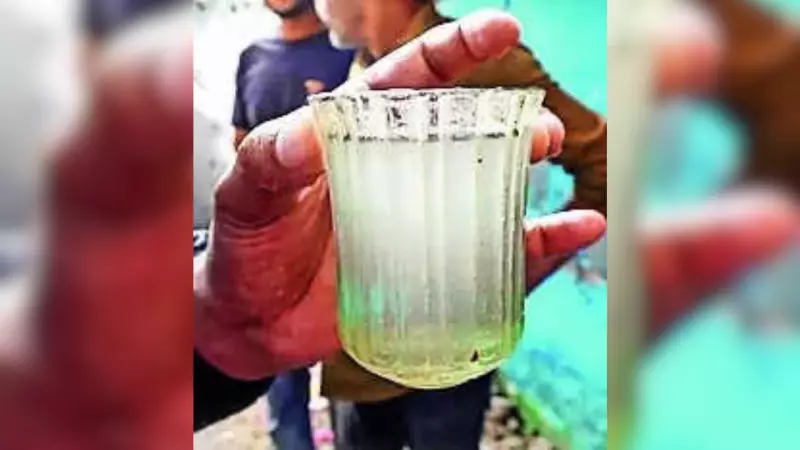
The bustling chatter of Bhagirathpura, a locality in Indore, has been replaced by a heavy silence. A profound sense of grief hangs in the air as residents grapple with a sudden and terrifying reality: their drinking water appears to be killing them. What began with a foul smell for years has escalated into a public health tragedy, with multiple deaths and hospitalizations linked to the contaminated supply.
A Community in Mourning: Lives Lost Suddenly
For years, locals complained about the foul odor emanating from their water taps. Their pleas, they say, fell on deaf ears. The crisis exploded when seemingly healthy individuals were suddenly rushed to hospitals, battling severe vomiting and diarrhea. Some never returned home, while others continue fighting for their lives in intensive care units.
One of the victims was Urmila, a woman who worked two jobs to support her family. Her neighbor, Kamla Bai, recalls a lighthearted conversation just hours before Urmila collapsed. "We joked about traveling to Omkareshwar, and she said let's go even without money. How could she die the next day?" Kamla Bai said, her voice trembling with disbelief.

Official Denial Fuels Public Anger and Fear
The pain of loss has been compounded by what residents describe as a blatant attempt to dilute the scale of the disaster. Chandrakala Yadav expressed the community's fury, questioning official claims. "She delivered over 50 boxes to a shop that morning, and they said she died of old age. The government is saying this for many elderly victims. The numbers are high, but they are downplaying it. Why?"
This perceived cover-up has shattered trust in the most basic necessity. Fear of the local water supply is now pervasive. Visitors to bereaved families refuse to drink it, and even relatives are terrified. Mamta Yadav, Urmila's daughter, carries her own water bottles. "My younger daughter fell ill after drinking water here. We are all really scared," she revealed, adding that her niece Sonali also fell sick during a visit.
A Pattern of Sickness Points to a Common Source
Geeta, whose mother-in-law Ramdulari is still in the ICU, described the terrifying speed of the illness. "We saw people who were perfectly fine in the morning being rushed to the hospital by evening, and gone by the next day. It was so sudden." She added that four members of her own family, including two young children aged 6 and 7, were also afflicted.
Locals like Ashutosh are adamant about the cause. "Instead of accepting that contaminated water caused these deaths, they keep saying the elderly died of age or illness. But we know what we saw. So many people fell sick at the same time." Activist Rani Prajapat echoed this, demanding accountability: "The numbers are clearly higher than what the government is admitting. Families are grieving, and officials are trying to minimise the tragedy. Why is it so difficult to tell the truth?"
In this crisis, community solidarity has emerged as a small beacon of hope. Those residents who still have functional borewells have become lifelines for their neighbors dependent on the suspect Narmada pipeline water. "While we do not have any water, the support from our neighbours in these tough times is what is helping us," said one grateful resident, highlighting the human spirit amidst the unfolding disaster.






