The bustling lanes of Bhagirathpura in Indore have been gripped by a haunting silence. This densely populated neighborhood, usually teeming with life, now stands largely deserted. The eerie quiet follows a devastating public health crisis caused by contaminated drinking water, which has led to multiple deaths and hundreds of hospitalizations.
A Community in Mourning and Crisis
The scale of the tragedy is immense. More than 200 residents have been admitted to 27 different medical facilities across the city since the outbreak began. Most families have been away from their homes since Monday night, tending to relatives suffering from severe diarrhoea, vomiting, and high fever. The human cost is heartbreaking: nine residents have lost their lives so far.
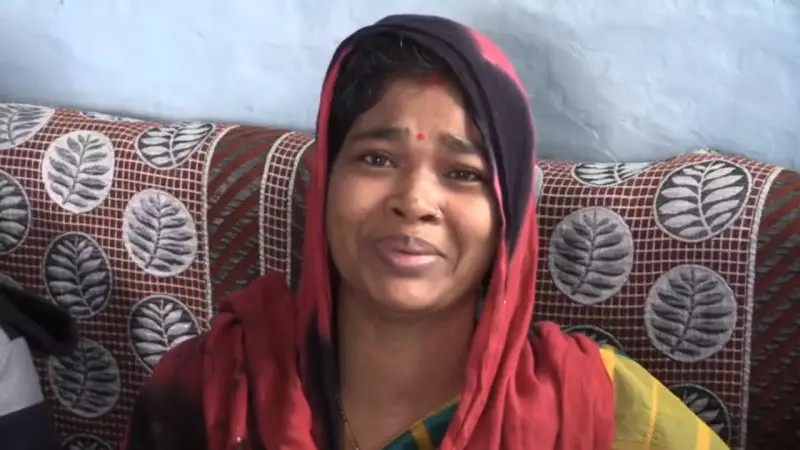
For private school teacher Sadhana Sahu, the loss is permanent and profound. Sitting outside her home on Thursday, she tearfully recalled the death of her five-month-old son, Abhyan. She believes contaminated water was the cause. "I mixed it with his milk and his condition worsened," she said.

The Source of the Contamination
Investigations by the Indore Municipal Corporation have pinpointed the cause. The crisis began when waste water from a toilet at a police check post seeped into the main drinking water pipeline below it. Officials revealed that the contractor responsible for the toilet construction made a critical error. Instead of connecting the toilet's discharge to the sewer system via a proper septic tank, the waste was diverted into a pit located directly above the water line. This negligence led to the large-scale contamination of the water supply.
Sadhana Sahu's husband, Sunil, who works remotely for an internet services firm, shared their family's ordeal. Their son first showed symptoms of diarrhoea and fever on December 26. After initial medical care, he seemed to improve for two days. "Then suddenly on Monday, his fever spiked, he vomited and collapsed. He died at home. We didn't even get the chance to reach a hospital," Sunil said.
Official Response and a Struggling Community
As state officials rushed on Thursday to identify lapses, improve treatment facilities, and flush the water supply network, grief continued to weigh heavily on Bhagirathpura. The area is home to nearly 15,000 people, most from economically weaker sections. Almost every household has reported one or more members falling ill with similar symptoms.
From Borasi ki Gali, Alguram Yadav recounted his loss. His 65-year-old wife, Urmila, died on Sunday. His son, daughter-in-law, and 11-month-old grandson are currently undergoing hospital treatment. "We barely get by. When illness strikes, everything collapses," he said.
Residents reported that apart from visits by officials to assess the situation, little immediate help reached the affected families. Yadav acknowledged that a minister had delivered the compensation cheque of Rs 2 lakh announced by the chief minister. However, he added that many families were still grappling with overwhelming medical expenses and the emotional and financial toll of their loss.
The tragedy in Bhagirathpura underscores the critical importance of robust public infrastructure and strict oversight, especially in densely populated urban areas. As the community mourns, questions about accountability and the prevention of such disasters in the future remain urgently unanswered.