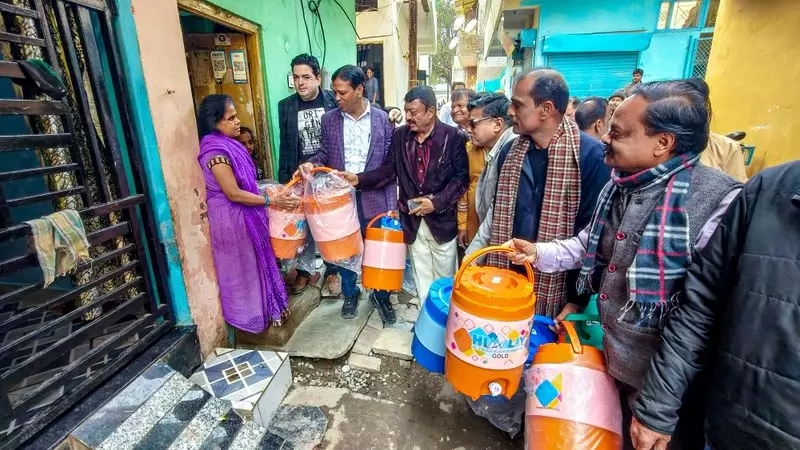
A severe water contamination incident in Indore has led to a public health emergency, resulting in multiple fatalities and a large number of hospitalisations. The crisis has sent shockwaves through the community, prompting urgent action from local authorities.
Outbreak and Immediate Response
The crisis unfolded rapidly, with residents from several areas, notably the Pipliyahana zone, falling ill after consuming the municipal water supply. District Collector Ilayaraja T confirmed the grim toll: six people have died, and more than 200 have been hospitalised due to the contaminated water. The affected individuals were admitted to both private and government hospitals across the city, overwhelming medical facilities.
Authorities acted swiftly upon recognising the pattern of illness. "We received information about people falling sick after drinking water," stated Collector Ilayaraja T. An immediate investigation was launched to trace the source of the contamination. Initial suspicions point to a potential breach or leak in the pipeline, possibly allowing sewage or other pollutants to mix with the drinking water.
Investigation and Official Actions
The focus of the probe is on the water supply network managed by the Indore Municipal Corporation (IMC). Teams have been deployed to inspect the pipelines, especially in the hardest-hit Pipliyahana area. Water samples have been collected from multiple points for laboratory testing to identify the exact contaminant.
In a critical move to prevent further spread of illness, the district administration has issued a stern advisory to all residents. The public has been instructed to consume only boiled water until the situation is fully under control and the water supply is declared safe. This advisory is being disseminated widely through official channels and local media.
Community Impact and Ongoing Concerns
The incident has caused widespread fear and anger among citizens, who rely on the municipal corporation for a safe drinking water supply. Hospitals reported symptoms consistent with severe waterborne diseases, including acute gastroenteritis, vomiting, and dehydration.
Local officials, including the Collector, are closely monitoring the situation. The priority remains providing adequate medical care to those hospitalised and ensuring no new cases emerge. A thorough audit of the water supply infrastructure is expected to follow the initial containment efforts to prevent a recurrence of such a tragic event.
This tragedy highlights the critical importance of maintaining robust and secure water supply systems in urban areas. The people of Indore await a complete report on the cause and concrete steps from authorities to restore trust in their most essential public utility.