The city of Indore in Madhya Pradesh is reeling from a severe public health crisis following the contamination of its water supply, with official figures on the death toll remaining in dispute. While the district health department has acknowledged four fatalities, municipal authorities have reported the number of dead to be as high as ten.
Medical Records Point to Underlying Causes
Medical documents obtained for several victims have shed light on the tragic sequence of events. The records indicate that the immediate cause of death for multiple individuals was cardio-respiratory arrest. However, this was often precipitated by severe underlying conditions including septicemia (blood poisoning) with shock and acute gastroenteritis (AGE).
In its official status report submitted to the Madhya Pradesh High Court, the Indore Health Department confirmed four deaths due to contaminated water consumption. In contrast, the Indore Municipal Corporation maintains that ten people have lost their lives. The state government has now formed a medical board to review all cases, verify the exact toll, and conclusively determine the causes of death.
The case of 60-year-old Urmila Yadav, listed in the health department's affidavit, is illustrative. A medical certificate from Indore's Cloth Market Hospital states she died a natural death on December 28. The documented immediate cause was cardio-respiratory arrest, with septicemia with shock and AGE listed as antecedent causes.
Another victim, 70-year-old Nandlal Pal, also died of sudden cardiac respiratory arrest, according to records from Verma Nursing Home. His treating physician, Dr. Abhyuday Verma, noted a puzzling recovery pattern. "He had responded well to antibiotics, his blood reports and electrolytes were normal," Dr. Verma said, adding that the patient collapsed suddenly while being prepared for discharge.
Families Recount Harrowing, Rapid Ordeals
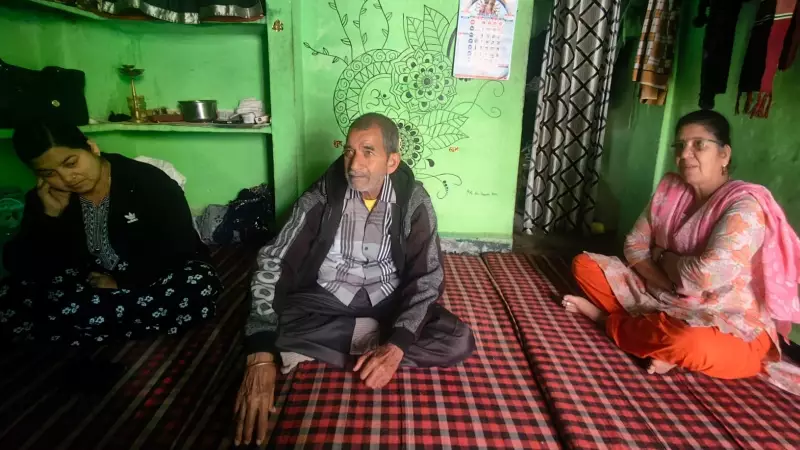
For the families of the victims, the crisis unfolded with terrifying speed, leaving little time to respond. The accounts paint a picture of sudden, violent illness leading to death, sometimes within hours.
Urmila Yadav began vomiting on December 27 and was dead within 24 hours despite hospital care. "The treatment cost Rs 40,000. I did not get my wife back," said her husband, Algu Ram Yadav.
The tragedy cut across age groups. The youngest victim was six-month-old Avyan Sahu, who developed diarrhoea-like symptoms on December 26 and died on December 29 despite medical attention. His family suspects contaminated local water was mixed into his store-bought milk.
Other heartbreaking narratives include:
- Tara Kori (65): Woke her son at 2 AM, was unable to sit, and suffered severe diarrhoea and vomiting. She died at home by 9 AM, her last words being "Beta, sab mushkil hai (Son, everything is difficult)."
- Seema Prajapat (50): Fell ill on December 29 and died just 10 minutes after leaving her home for the hospital, covered in vomit.
- Manjula (74): Fell ill while cooking dinner, handed over sweets she made for her daughter, and died in an ambulance before reaching the hospital.
- Santosh Bigoliya (60): A fit security guard who suddenly fell ill. "Every time he drank water, he vomited," said his daughter-in-law. The family's lack of funds for the premier government hospital delayed critical care until it was too late.
Source of Contamination Remains Elusive
Despite intensive investigation, municipal authorities have not yet pinpointed the definitive source of the contamination in Bhagirathpura's water, which allegedly sickened over 1,000 people. Initial suspicion fell on a police chowki toilet, but officials are now casting a wider net.
The administration's current focus is on illegally connected borewells linked to the main water pipelines. Approximately 60 such illegal connections have been identified and removed so far.
Adding to the mystery, Indore Collector Shivam Verma released a lab report from Aurobindo Medical College stating that water samples tested negative for specific bacterial pathogens like E. coli and Vibrio cholerae, and viral pathogens like Rotavirus. The report suggested further culture-based analysis and physicochemical testing for confirmation.
Doctors on the ground noted peculiarities in the outbreak. Dr. Verma observed that many patients had watery stool but no fever, and wards did not have the expected odor. He also noted that older patients with potential co-morbidities were at highest risk, a sentiment echoed by Dr. Nitin Ojha, who was deployed to monitor the crisis.
The Indore administration has announced a compensation of Rs 2 lakh for the families of the deceased, even for victims like Geeta Bai Dhruvkar (68), whose death was attributed to sepsis and septic shock but was not included in the health department's initial list of four.
As the medical board continues its investigation, the community in Bhagirathpura and across Indore awaits answers and assurances that their water supply is safe, while grieving families struggle with losses that occurred in a matter of hours.