

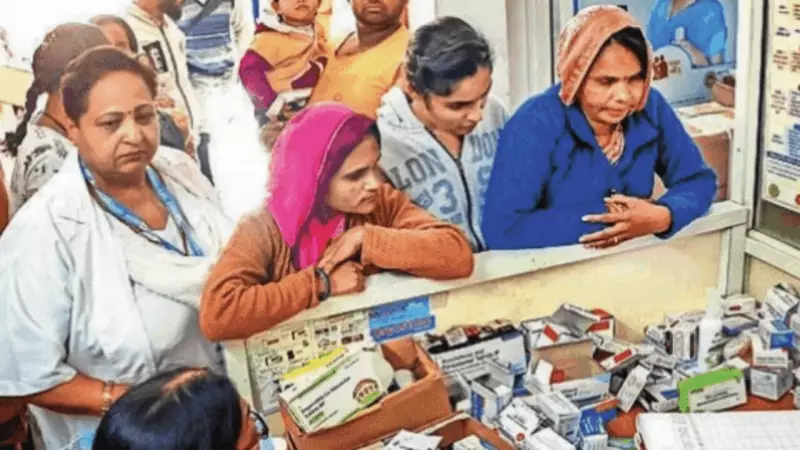
The aftermath of the tragic water contamination incident in Indore's Bhagirathpura area has taken a personal toll, forcing three families living on rent to make a temporary exodus to their native villages. While no official advisory was issued, the families chose to leave after they or their children suffered from waterborne ailments, highlighting the ongoing anxiety in the neighbourhood.
Families Retreat Amid Health and Financial Strain
The decision to leave was driven by direct health impacts and severe financial pressure. Surendra Rawat, a porter in an industrial area, locked his one-room rented house and boarded a bus to his native village Shahpur in Sagar district on December 31. His move came after he spent his entire savings of around Rs 10,000 on treating his 13-year-old daughter, who fell severely ill allegedly from consuming contaminated water.
"My daughter was continuously vomiting and had become very fragile," Surendra explained. With an irregular daily income of Rs 300–400, he feared he could not afford treatment if more of his children fell sick. Another family, that of Rajkumar Rawat and his wife Imarti, moved to their native Karapur village in Sagar after Rajkumar himself fell ill. Their treatment costs drained their finances, and their landlord still expects rent upon their return.

"There is no work here, but at least we have our own house and safe water and food at my in-laws’ place," Imarti stated, summing up the trade-off between livelihood and safety. A widow named Sheela, living with her two children, has also left temporarily, with neighbours saying she will return only when the situation normalises.
Precautions Intensify as Situation Slowly Improves
Despite the exodus of some, local residents report that the situation in Bhagirathpura is gradually improving, marked by drastically changed water consumption habits. The community has completely stopped drinking directly supplied Narmada water. The current precautions include:
- Relying on water tankers for supply.
- Buying packaged water at Rs 20 per litre from a nearby RO plant supplier.
- Boiling all water thoroughly before consumption, regardless of the source.
"Everyone is being careful now. Water is being boiled before use, and no one is taking chances," a local resident emphasised. Most families have chosen to remain in the area but are exercising extreme caution, indicating a community grappling with fear while trying to resume daily life.
Broader Implications for Urban Water Security
This incident underscores the fragile state of urban water security and its direct impact on the health and economic stability of low-income migrant workers. The fact that families felt compelled to abandon their livelihoods and return to villages points to a deep crisis of confidence in the local water infrastructure. It also highlights the disproportionate burden on the poor, who must bear the high, unexpected costs of medical treatment and alternative water sources. The community's shift to expensive packaged water and boiling practices represents a significant additional daily expense for households, turning a basic necessity into a financial strain.






