

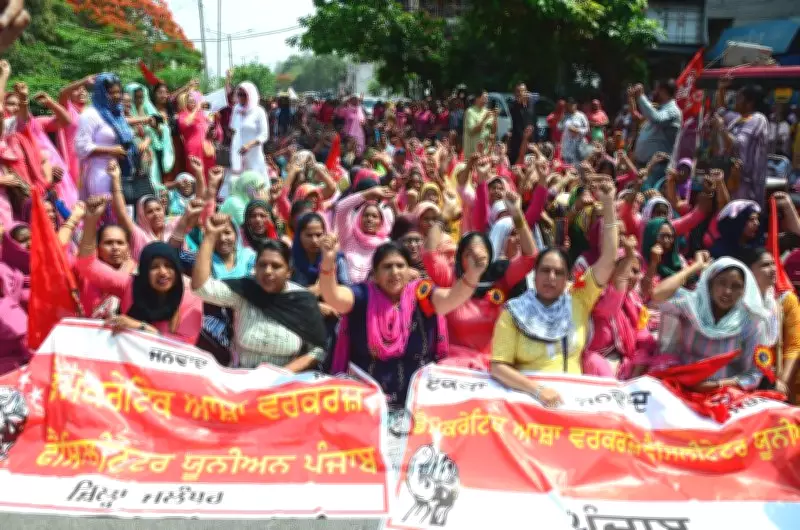
Asha Workers in Jalandhar Stage Protest Over Unmet Promises and Incentive Cuts
Accredited Social Health Activists (Asha) in Jalandhar, Punjab, have taken to the streets in a significant demonstration, voicing their frustration over long-standing issues related to their compensation and working conditions. The protest, which drew a large gathering of healthcare workers, centers on two primary grievances: the failure to implement a promised pay hike and the recent withdrawal of key financial incentives that are crucial to their livelihoods.
Core Demands of the Protesting Asha Workers
The Asha workers, who play a vital role in India's rural and urban healthcare systems by providing essential services at the grassroots level, are demanding immediate action from authorities. Their protest highlights the broader challenges faced by frontline health workers across the country, who often operate with limited resources and recognition.
- Unmet Pay Hike Promise: The workers allege that a promised increase in their monthly honorarium has not been delivered, despite assurances from government officials. This delay has exacerbated financial hardships for many, as Asha workers typically rely on these funds to support their families.
- Withdrawal of Incentives: In addition to the pay hike issue, the protestors are decrying the sudden withdrawal of performance-based incentives. These incentives, which were previously provided for tasks such as conducting health surveys, facilitating immunizations, and promoting maternal and child health, have been a critical component of their earnings.
- Call for Restoration: The Asha workers are urging the government to not only fulfill the promised pay hike but also reinstate the withdrawn incentives without delay. They argue that these measures are essential for maintaining morale and ensuring the continuity of healthcare services in the region.
Impact on Healthcare Services and Worker Morale
The protest underscores the precarious position of Asha workers, who are often the first point of contact for healthcare in many communities. Without adequate compensation, there is a risk of decreased motivation and potential disruptions in service delivery, which could affect public health outcomes in Jalandhar and beyond.

- Financial Strain: Many Asha workers report struggling to make ends meet due to the unmet promises, leading to increased stress and burnout.
- Service Quality: The withdrawal of incentives may disincentivize workers from taking on additional responsibilities, potentially compromising the quality and reach of healthcare initiatives.
- Broader Implications: This protest reflects a larger trend of healthcare worker unrest in India, calling attention to the need for systemic reforms to support those on the frontlines of public health.
As the protest continues, stakeholders are watching closely to see how authorities will respond. The resolution of these issues could set a precedent for how Asha workers and similar healthcare professionals are treated nationwide, emphasizing the importance of fair compensation and recognition in sustaining India's healthcare infrastructure.






