

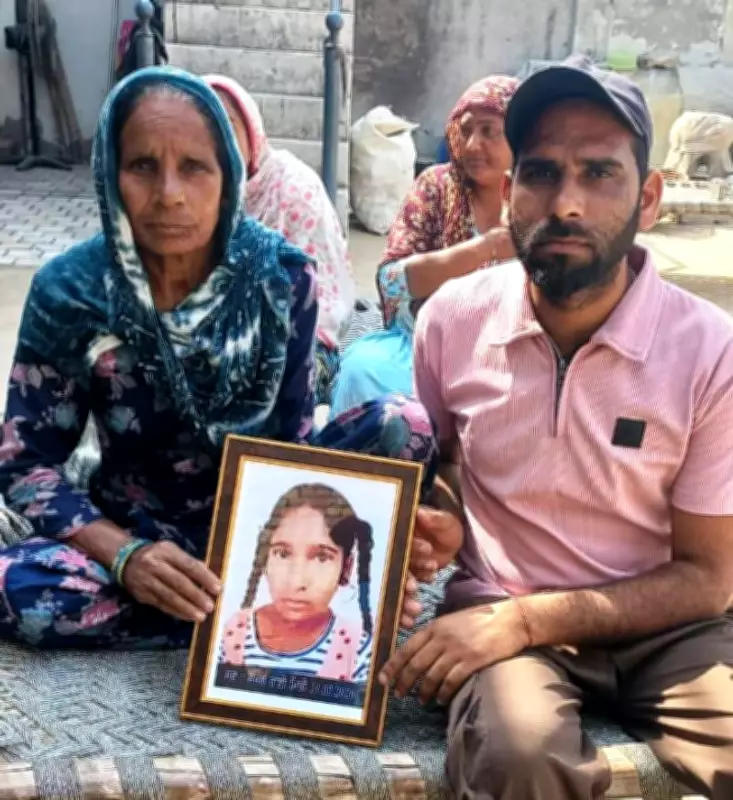
Jaundice Outbreak in Ferozepur Village Claims Life of 13-Year-Old Girl
A distressing jaundice outbreak has been reported in a village located within Punjab's Ferozepur district, leading to the untimely death of a 13-year-old girl. This incident has sparked significant alarm among local residents and health authorities, highlighting critical issues related to water safety and public health infrastructure in the region.
Details of the Outbreak and Fatality
The outbreak emerged in the village, where multiple cases of jaundice have been confirmed. The deceased, identified as a 13-year-old girl, succumbed to the illness after exhibiting severe symptoms. Health officials have noted that the outbreak is likely linked to contaminated water sources, which are a common vector for the spread of hepatitis viruses that cause jaundice.
Local medical teams have been deployed to the area to assess the situation and provide necessary treatment to affected individuals. Preliminary investigations suggest that the water supply in the village may have been compromised, possibly due to inadequate sanitation or sewage leakage. This has raised concerns about the overall water quality and hygiene standards in rural Punjab.

Public Health Response and Concerns
In response to the outbreak, health authorities have initiated measures to contain the spread of the disease. These include:
- Conducting water quality tests to identify contamination sources.
- Distributing medical supplies and setting up temporary health camps.
- Educating villagers on preventive practices, such as boiling water and maintaining personal hygiene.
However, the incident underscores broader public health challenges in the region, including limited access to clean drinking water and insufficient healthcare facilities. Experts emphasize the need for sustained efforts to improve water treatment systems and enhance disease surveillance to prevent similar outbreaks in the future.
Community Impact and Calls for Action
The death of the young girl has left the community in mourning and heightened fears about the safety of their environment. Residents are calling for immediate government intervention to address the underlying causes of the outbreak. There is a growing demand for:
- Regular monitoring of water sources to ensure they meet safety standards.
- Upgradation of local healthcare infrastructure to handle emergencies.
- Public awareness campaigns on waterborne diseases and their prevention.
This tragic event serves as a stark reminder of the vulnerabilities faced by rural populations in India, where waterborne illnesses remain a persistent threat. It highlights the urgent need for coordinated action between health departments and local administrations to safeguard public health.






