In a novel approach to India's escalating drug crisis, Kashmir has initiated a groundbreaking programme that empowers religious leaders to become frontline warriors against substance abuse. This faith-based intervention seeks to blend spiritual guidance with modern medical understanding to create a robust support system within communities.
Imams as Catalysts for Change
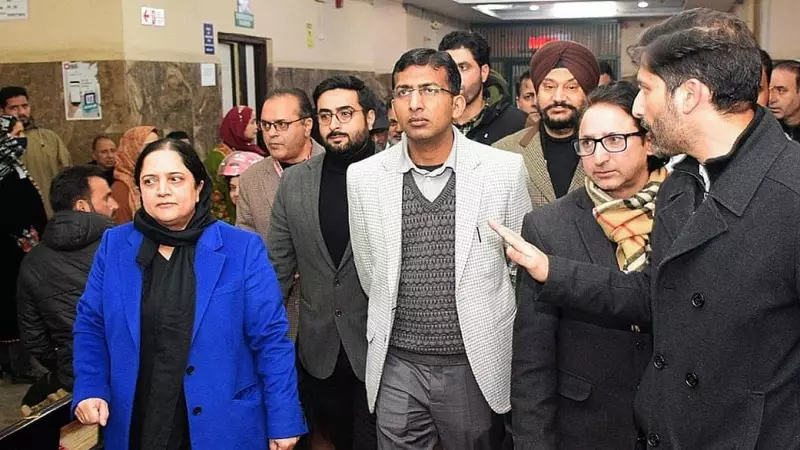
The initiative took the form of a special orientation and capacity-building programme held at the Institute of Mental Health and Neurosciences (IMHANS) in Kashmir. The core objective was to equip local imams, who hold significant trust and influence within their communities, with a foundational knowledge of substance use disorders. Rather than acting as medical professionals, these religious figures are being trained to recognize signs of addiction, understand the nature of the disease, and guide affected individuals and their families toward professional help.
The programme, reported by Zulfikar Majid and last updated on 04 January 2026, marks a strategic shift in public health strategy. It acknowledges the deep cultural and religious fabric of the region, leveraging the pulpit not for judgement but for compassion, education, and referral.
Bridging the Gap Between Faith and Science
The training curriculum for the imams is carefully designed. It provides a basic yet crucial understanding of how addiction works as a disorder, moving away from stigmatizing narratives. A key component is educating them about the existing referral pathways and rehabilitation services available in the region. This knowledge turns imams into informed conduits who can confidently direct community members to facilities like IMHANS for professional diagnosis, counselling, and treatment, thereby bridging a critical gap between faith-based counselling and clinical care.
This method addresses a common hurdle in combating drug abuse: the reluctance of families to seek help due to fear of social stigma. An approach from a respected religious authority can often overcome this initial resistance, framing recovery as a spiritual and moral duty as well as a medical necessity.
A Response to a Growing National Concern
This Kashmir-based experiment is set against the backdrop of India's growing drug crisis, which affects urban and rural areas alike. The innovative model suggests that public health challenges require localized, culturally-sensitive solutions. By integrating mental health awareness into the religious discourse, the programme aims to create a more supportive environment for prevention and recovery.
The potential outcomes of this initiative are significant. If successful, it could lead to:
- Earlier identification and intervention for individuals struggling with addiction.
- Reduced stigma associated with substance use disorders and mental health.
- A stronger, community-owned support network that complements government and medical services.
- A replicable model for other regions in India facing similar challenges.
As this faith-based solution unfolds in Kashmir, it will be closely watched by policymakers and health experts across the nation. It represents a hopeful synergy of tradition and modern healthcare, aiming to heal communities from within by empowering their most trusted leaders.