

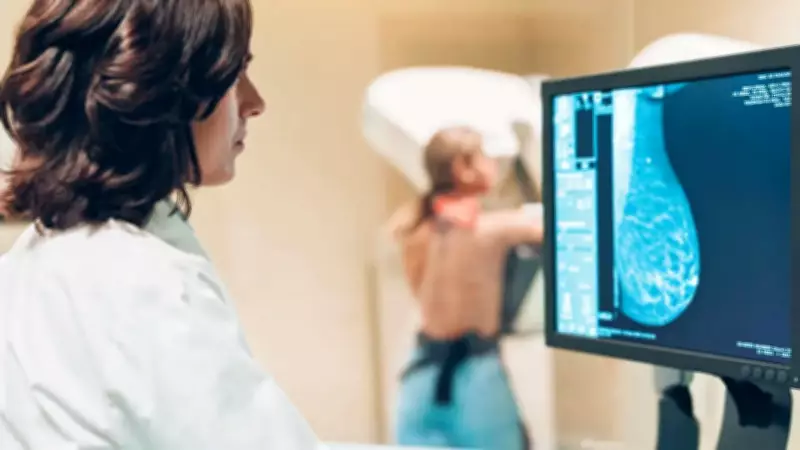
A recent survey commissioned by The Ohio State University Comprehensive Cancer Center – Arthur G. James Cancer Hospital and Richard J. Solove Research Institute (OSUCCC–James) has uncovered a significant gap between what women believe about mammogram timing and what medical experts actually recommend. The findings indicate that nearly half of women misunderstand breast cancer screening guidelines, even as experts advocate for yearly mammograms beginning at age 40.
Confusion Over Screening Age
Most women are uncertain about when to start mammogram screening and believe they should begin later than doctors advise. Alyssa Cubbison, DO, a breast radiologist at OSUCCC–James, expressed concern: "Our biggest concern is ongoing confusion about screening guidelines. For most women, breast cancer screening should begin with annual mammograms at age 40. Clear, accurate information helps women make informed decisions with their clinician and may lead to earlier detection."
What Major Guidelines Recommend
The confusion persists despite updates from the U.S. Preventive Services Task Force (USPSTF) in April 2024, which recommends mammograms every other year starting at age 40 for average-risk women. However, many medical organizations, including the Society of Breast Imaging and the American College of Radiology, advise annual screening from age 40. OSUCCC–James follows this annual screening approach. The survey also found that 51% of women believe screening should start much earlier, by age 35. Cubbison clarified: "Initiating screening mammography before the age of 40 is appropriate only in certain patients deemed to be higher risk based on factors such as family history and genetic mutations." In April 2026, the American College of Physicians updated its guidelines to recommend mammography for average-risk women ages 50 to 74 every two years, emphasizing individualized decision-making. However, OSUCCC–James adheres to radiology-focused guidelines of yearly mammograms starting at age 40. Annual screening mammography from age 40 is covered under Medicare and most commercial insurance plans via the Affordable Care Act, though coverage may vary; women should verify with their insurance provider.

Why Starting at 40 Matters
This confusion is particularly concerning given the rising incidence of breast cancer in younger women. According to the Centers for Disease Control and Prevention’s U.S. Cancer Statistics, over 27,000 U.S. women under 45 were diagnosed with breast cancer in 2022, with new cases in this age group increasing by an average of 0.7% per year from 2001 to 2022. Since younger women are not routinely screened, cancers in this group are often detected at later stages, complicating treatment options.
Reasons for Delaying Mammograms
The survey also revealed that about 53% of women delayed or avoided mammograms for reasons beyond guideline confusion, including cost (28%), discomfort (26%), believing they were too young (26%), not having symptoms (25%), and concerns about radiation exposure (21%).
Younger Women: When to Consult a Clinician
The survey highlighted uncertainty among younger women: one in four aged 18-29 said they would wait for symptoms like pain or a lump before seeing a doctor. This approach can delay diagnosis and treatment. Although most women under 40 are not eligible for routine screening mammograms, experts encourage those with a personal or family history of breast cancer to discuss their risk with a clinician. Knowing breast density is important, as dense tissue increases risk and can make cancers harder to detect on mammograms. The survey found that women take follow-up action when they learn they have dense breast tissue: 60% spoke to their primary care doctor or gynecologist, and 54% requested additional imaging like ultrasound or MRI.
Cubbison concluded: "Sharing these findings is meant to correct misconceptions, clarify screening guidance, and encourage women of all ages to talk with their health care providers about when to start mammograms and how to protect their breast health."






