

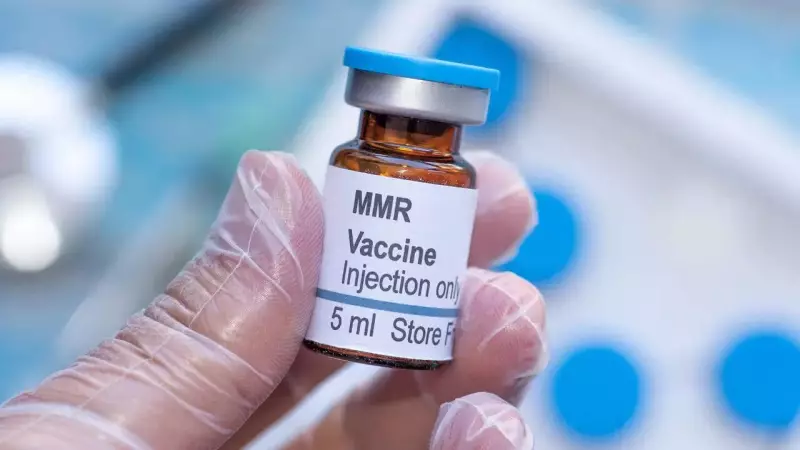
Measles, a highly contagious and dangerous viral disease, continues to pose a significant global health threat, claiming tens of thousands of lives annually despite the existence of a safe and effective vaccine for over six decades. In a stark reminder of the virus's deadly potential, approximately 95,000 deaths were reported worldwide in 2024 alone. The vast majority of these tragic fatalities occurred among children under the age of five who were either unvaccinated or had not received the full course of immunisation.
A Preventable Tragedy: The Power and Shortfall of Vaccination
The data presents a powerful contrast. On one hand, measles vaccination is estimated to have prevented nearly 59 million deaths between the years 2000 and 2024, showcasing its monumental impact. On the other, the 2024 death toll highlights a dangerous gap in immunisation coverage. Global health experts note that in 2024, only 84% of children received the crucial first dose of the measles vaccine. This figure represents a worrying decline from the 86% coverage achieved in 2019, leaving millions vulnerable.
"The availability of an effective vaccine makes these deaths particularly tragic," the data underscores. The measles virus spreads with alarming ease through the air when an infected person breathes, coughs, or sneezes. It can linger in the air or on surfaces for up to two hours, and a single infected individual can transmit the disease to as many as 18 others. Transmission is possible from four days before the characteristic rash appears until four days after.

Recognising Measles: Symptoms and Severe Complications
The signs of measles typically emerge 10 to 14 days after exposure. Initial symptoms, lasting 4 to 7 days, include a high fever, runny nose, cough, red and watery eyes, and the appearance of small white spots inside the cheeks. The most recognisable symptom, a widespread skin rash, usually develops 7 to 18 days after exposure. It begins on the face and upper neck, spreading down the arms, body, and legs over about three days, and fades after 5 to 6 days.
It is not the virus itself but the complications that lead to death. These can be severe and include:
- Blindness
- Encephalitis (inflammation of the brain)
- Severe diarrhoea and dehydration
- Ear infections
- Pneumonia and other severe respiratory infections
Measles during pregnancy increases the risk of premature birth and low birth weight. Those at highest risk for severe complications include malnourished children, individuals with vitamin A deficiency, people with weakened immune systems (such as from HIV), children under five, and adults over 30.
Who is at Risk and How to Prevent It?
The primary risk factor is a lack of immunity. This group includes unvaccinated individuals, pregnant women without immunity, and people living in regions with fragile healthcare systems and low vaccination rates. Measles remains widespread in parts of Africa, the Middle East, and Asia, often due to challenges in accessing vaccines.
There is no specific antiviral cure for measles. Treatment focuses on supportive care to relieve symptoms and prevent complications: ensuring adequate hydration and nutrition, administering antibiotics for secondary bacterial infections (like pneumonia or ear infections), and providing Vitamin A supplementation. Two doses of Vitamin A, given 24 hours apart, are proven to reduce complications and the risk of blindness.
Vaccination remains the safest, most effective, and highly cost-effective method of prevention. The standard protocol involves two doses, typically given at 9 months and between 15-18 months of age, often as part of the combined MMR (Measles, Mumps, Rubella) or MMRV (including Varicella) vaccine. Sustaining high levels of routine childhood immunisation and conducting mass vaccination campaigns during outbreaks are critical strategies to control the spread of measles and prevent unnecessary deaths.
Dr. Anjan Kumar T M, Consultant Neonatologist & Paediatrician at Apollo Hospitals, Sheshadripuram, Bangalore, emphasises the importance of maintaining vaccination schedules to protect children and communities from this relentless virus.






