

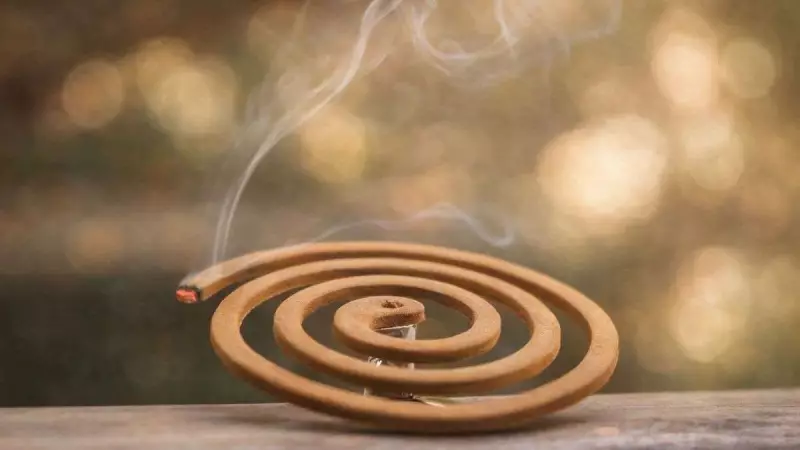
A leading chest surgeon has issued a dire warning that could change how millions of Indian households protect themselves from mosquitoes. Dr. Arvind Kumar, Chairman of the Institute of Chest Surgery at Medanta Hospital, has stated that the seemingly harmless act of burning one mosquito coil indoors could be polluting your home's air to a degree comparable to smoking 100 cigarettes.
The Invisible Threat in Our Homes
In a detailed explanation, Dr. Kumar highlighted the mechanics behind this severe indoor air pollution. Mosquito coils, a staple in Indian homes especially during the monsoon and summer seasons, work by smoldering. This slow-burning process releases a cocktail of fine particulate matter (PM2.5) and other hazardous chemicals directly into the enclosed air of a room. Unlike outdoor pollution, which can disperse, these particles concentrate indoors, where families, including children and the elderly, spend most of their time.
"When you burn one mosquito coil, the amount of pollution it releases is equivalent to the pollution from 100 cigarettes," Dr. Kumar emphasized. This stark comparison, made on January 3, 2026, is based on the volume of harmful PM2.5 particles emitted. These microscopic particles are small enough to penetrate deep into the lungs and even enter the bloodstream, causing systemic damage.

Severe Health Consequences of Coil Smoke
The health implications of prolonged exposure to coil smoke are profound and extend far beyond temporary irritation. Dr. Kumar, who witnesses the end results in his operating theatre, detailed the grim cascade of effects. The constant inhalation of this polluted air leads to inflammation in the windpipe and lungs. Over time, this chronic inflammation can cause the lining of the windpipe to turn from a healthy pink to an alarming black, a visible sign of damage.
This damage is not merely cosmetic. It significantly impairs the lungs' natural defense mechanisms. The cilia, tiny hair-like structures that help clear dust and germs from our airways, become paralyzed and ineffective. This leaves individuals highly vulnerable to a range of respiratory illnesses, from frequent infections and bronchitis to a heightened risk of pneumonia. The surgeon strongly linked this indoor pollution to the rising incidence of chronic lung diseases across India.
Seeking Safer Alternatives for Protection
Faced with this alarming evidence, the critical question is: what can families do? The solution is not to abandon mosquito protection but to seek safer methods. Dr. Kumar and other public health experts advocate for a shift away from combustion-based repellents.
Recommended alternatives include:
- Electric mosquito repellent devices that use mats or liquids.
- Plug-in repellent diffusers that do not require burning.
- Mosquito nets for beds, providing a physical barrier without any air pollution.
- Applying government-approved topical creams on exposed skin during evenings.
The core message is clear: while combating mosquito-borne diseases like dengue and malaria is crucial, the method of protection should not introduce a new, chronic health hazard. Improving indoor air quality is as vital as fighting mosquitoes. Ensuring proper ventilation, using air purifiers with HEPA filters in closed spaces, and making informed choices about repellents can collectively safeguard families from this invisible indoor threat. Public awareness is the first step toward breaking the cycle of exposure that contributes to India's growing burden of respiratory disease.






