

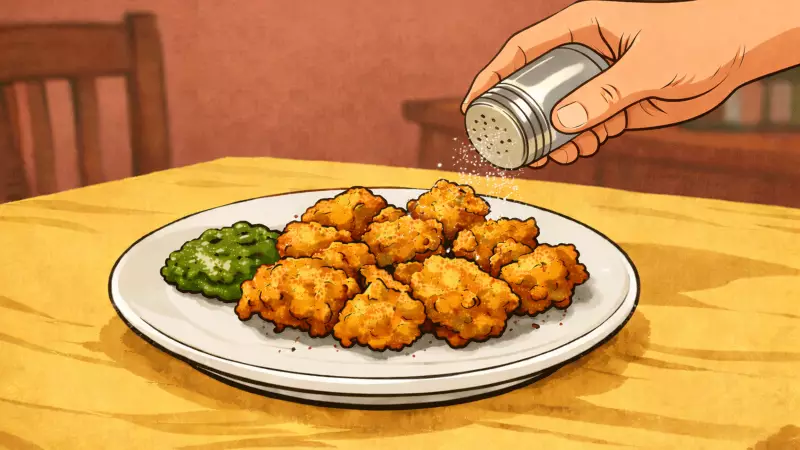
A silent health crisis is unfolding across Indian kitchens and dining tables, driven by a common ingredient most consider harmless: salt. A vast majority of the Indian population is unknowingly consuming dangerously high levels of sodium, significantly elevating their risk of life-threatening conditions like stroke and heart disease.
The Alarming Scale of Overconsumption
Recent data and expert analysis paint a grim picture. It is estimated that a staggering 9 out of 10 Indian adults consume more than the World Health Organization's (WHO) recommended limit of 5 grams of salt per day, which is roughly one teaspoon. The average intake is shockingly high, hovering around 8 to 11 grams daily, nearly double the safe threshold. This excessive consumption is a primary contributor to hypertension, or high blood pressure, a condition affecting one in every four Indian adults.
Dr. Sudhir Kumar, a senior consultant neurologist from Apollo Hospitals, Hyderabad, emphasizes the direct link. He states that high salt intake is a major modifiable risk factor for stroke. The mechanism is straightforward: excess sodium in the bloodstream draws water into blood vessels, increasing the volume of blood and, consequently, the pressure on vessel walls. Over time, this sustained high pressure damages arteries, making them prone to blockages or ruptures, leading to a stroke.

Hidden Salt: The Invisible Culprit in Your Diet
The core of the problem lies not just in the salt shaker on the table but in a widespread lack of awareness. Most Indians do not realize the sheer quantity of salt they ingest because a significant portion comes from hidden and processed sources. Common dietary villains include:
- Processed and packaged foods: Ready-to-eat meals, instant noodles, chips, and biscuits.
- Pickles, papads, and chutneys: Traditional accompaniments that are extremely high in sodium.
- Sauces and condiments: Soy sauce, ketchup, and packaged salad dressings.
- Street food and restaurant meals: Often loaded with salt and salty spices to enhance flavor.
- Baked goods and breakfast cereals: Surprisingly, these can contain substantial amounts of sodium.
This "hidden salt" means individuals are exceeding limits long before they even consider adding extra table salt to their home-cooked meals.
Consequences and the Path to Prevention
The health consequences of this unchecked sodium intake are severe and widespread. Hypertension, driven by high salt consumption, is a leading cause of stroke and cardiovascular diseases, which are among the top killers in India. Beyond stroke, it contributes to kidney damage, osteoporosis, and even stomach cancer.
However, experts point out that this is a preventable epidemic. Simple, conscious changes in dietary habits can dramatically reduce risk. Key recommendations include:
- Read Food Labels: Carefully check the sodium content on packaged foods. Opt for products labeled "low sodium" or "no added salt."
- Cook Smart at Home: Gradually reduce the amount of salt used in cooking. Enhance flavor with herbs, spices, lemon juice, garlic, and ginger.
- Limit Processed Foods: Cut down on the intake of packaged snacks, canned goods, and processed meats.
- Rinse Canned Foods: Washing canned vegetables or beans can remove a significant amount of added sodium.
- Be Mindful Eating Out: Request for less salt in your dishes when ordering at restaurants.
Public health initiatives are also crucial. There is a growing call for clearer front-of-pack labeling, public awareness campaigns about hidden salt, and reformulation of recipes by the food industry to reduce sodium content. The battle against excessive salt intake is not about eliminating flavor but about fostering awareness and making smarter choices to safeguard the heart health of a nation.






