

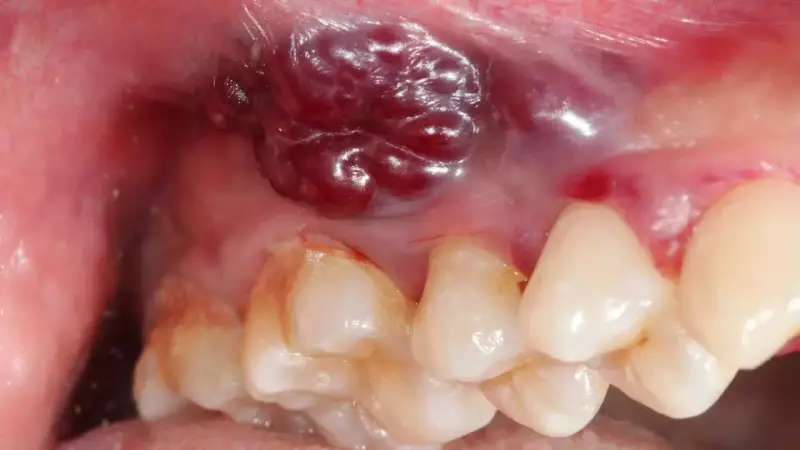
For most, a mouth ulcer is a minor, temporary nuisance—often the result of accidentally biting the cheek or indulging in spicy food during stressful times. It typically fades away on its own within days, rarely warranting a second thought. However, a troubling new reality is emerging across urban India: a simple ulcer that stubbornly refuses to heal is increasingly becoming one of the earliest visible warnings of a far more serious threat—oral cancer.
The Alarming Link Between Persistent Ulcers and Oral Cancer
Medical research now clearly identifies a non-healing ulcer inside the mouth or on the lips as a critical early indicator of potential oral cancer. A peer-reviewed study published in the Journal of Oral Biology and Craniofacial Research found that persistent ulcers, along with white or red patches, were common early signs of oral squamous cell carcinoma. The study specifically highlighted that lesions lasting longer than two weeks without improvement should raise suspicion.
The danger lies in their deceptive nature. These chronic lesions often appear harmless and are frequently painless in the initial stages, leading many to dismiss them as minor irritations. This dismissal is a primary reason for late-stage diagnosis. The research emphasises that early medical evaluation is crucial, as paying attention to these subtle changes can genuinely save lives.

Why Indian Women Are Now at Increasing Risk
India carries one of the world's highest burdens of oral cancer. Historically, the disease affected more men, largely due to higher rates of tobacco and alcohol use. However, the trend is shifting. Cases are now rising noticeably among women, particularly in urban areas.
New lifestyle patterns are contributing to this change. More women are reporting symptoms like prolonged ulcers, unexplained patches inside the mouth, and difficulty swallowing—often without any history of tobacco consumption. This proves that oral cancer is no longer confined to traditional risk groups and demands wider awareness among women from all backgrounds.
Several factors make urban women more vulnerable. These include poor oral hygiene, infrequent dental check-ups, chronic irritation from dental fixtures like braces or sharp teeth, nutritional deficiencies, and increased exposure to lifestyle factors such as alcohol or passive smoking. Long working hours and high stress levels can also weaken immunity, reducing the body's natural ability to heal minor wounds quickly.
Symptoms Women Should Never Ignore
Beyond a non-healing ulcer, several other signs may point to early oral cancer. Women are advised to seek professional evaluation if any of the following symptoms persist for more than two weeks:
- Persistent red or white patches inside the mouth.
- Swelling or thickened skin on the gums or inside the cheek.
- Unexplained difficulty in chewing or swallowing.
- A lump or sore spot on the lips or tongue that slowly grows in size.
- Continuous bleeding or numbness in any part of the oral cavity.
- A tooth becoming loose without any apparent cause.
Unlike common ulcers, cancer-related sores may have raised edges, feel rough, or bleed slightly when touched. The sensation is often described as discomfort during eating or brushing rather than sharp pain.
Prevention and the Power of Early Action
Women can significantly lower their risk through proactive measures. Maintaining excellent oral hygiene and scheduling routine dental check-ups are foundational steps. Avoiding all forms of tobacco and moderating alcohol intake remain critically important. It is also essential to correct poorly fitted dentures or sharp teeth that cause repeated irritation to the same spot.
The most powerful defence, however, is awareness and timely action. Early diagnosis is the single most important factor determining treatment success and survival rates. Any mouth sore that does not resolve within fourteen days, despite careful oral care, should be examined by a doctor without hesitation.

A non-healing mouth ulcer may look innocuous, but for a growing number of Indian women, it is the earliest red flag for oral cancer. Increased awareness, regular self-checks, and prompt medical consultation can prevent severe complications and save lives. Do not wait for pain; pay attention to changes, and act early.
Disclaimer: This content is intended purely for informational purposes and is not a substitute for professional medical advice. Always consult certified healthcare professionals for personalised diagnosis and recommendations.





