

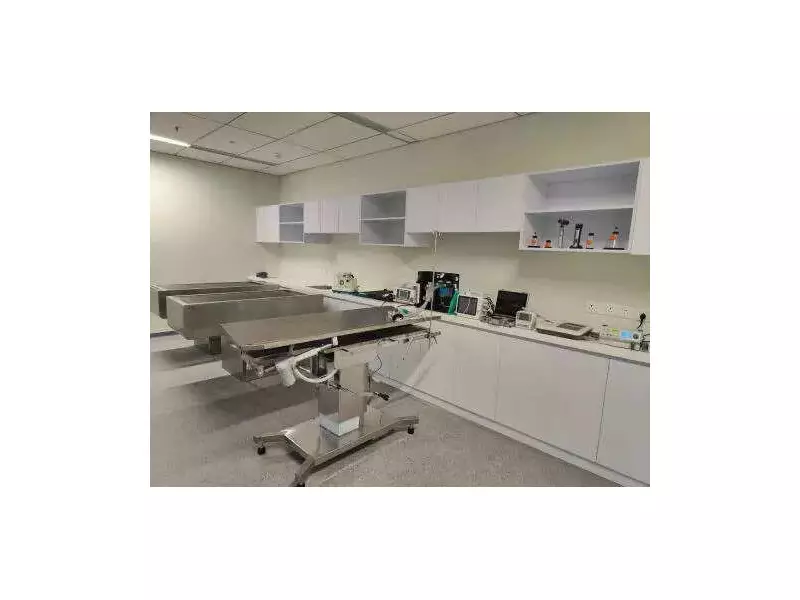
In a significant move to address the growing challenge of kidney disease, the Brihanmumbai Municipal Corporation (BMC) has unveiled plans to establish three new dialysis centres across the city. These facilities will be set up through collaborations with private partners, aiming to expand access to this critical life-saving procedure.
Locations and Lease Details of the New Centres
The civic body has identified three specific locations for these upcoming healthcare units. One centre will be situated at the Garodia Nagar Dispensary in Santacruz (West). Another will be established within the Pahadi Village multi-OPD facility in Goregaon (East), and the third will be located at the Girijabai Building in Mulund (East).
According to the tender documents, the BMC will offer these spaces to selected partners on a long-term lease of 30 years. In a notable clause, the annual lease rate has been fixed at a nominal 1 rupee per square foot.

Affordable Treatment and Access for the Poor
A key directive from the BMC ensures that the cost of dialysis remains strictly controlled. The tender mandates that the fee for each dialysis session cannot exceed Rs 500. This all-inclusive rate must cover the cost of medicines and the doctor's fees, providing transparency and affordability for patients.
To safeguard access for underprivileged sections, the BMC has built in crucial safeguards. The document states that at least 40% of the beds in each centre will be reserved for patients who are referred by the BMC's own system. Furthermore, patients from economically weaker sections, holders of ration cards, and beneficiaries of various government health schemes will receive completely free dialysis treatment at these centres.
Partnership Model and Activist Concerns
The BMC has invited applications from corporate hospitals or specialised dialysis service providers to operate these centres under a Public-Private Partnership (PPP) framework. While this model is intended to leverage private sector efficiency and investment, it has not been without its critics.
Health activists in the city have consistently raised concerns about the PPP model in healthcare. Their criticisms often centre around a perceived lack of accountability and worries that such arrangements may not guarantee proper access for the poorest citizens, despite the clauses in the tender. They argue that continuous monitoring is essential to ensure the partnership serves its public health purpose effectively.
The plan for these three centres represents a direct response to the increasing burden of kidney-related ailments in Mumbai's population. If implemented with robust oversight, it has the potential to make a substantial difference in the lives of hundreds of patients requiring regular dialysis, offering them affordable care closer to their homes.






