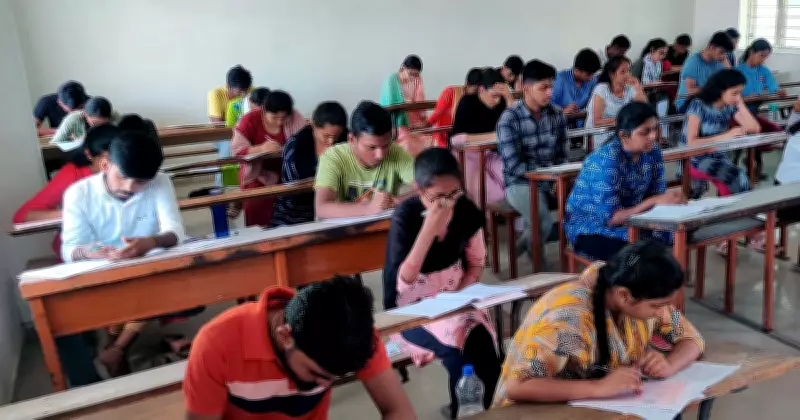
The recent glitches in the National Eligibility cum Entrance Test (NEET) have brought to light a deeper, more systemic problem within India's centralised examination framework. According to Seshadri Chari, writing in his latest opinion piece, these entry points for higher education are structurally incapable of managing the sheer number of aspirants without facing a potential collapse.
Structural Flaws in the System
The NEET crisis is not an isolated incident but a symptom of a larger malaise. The centralised exam system, designed to streamline admissions, has become a bottleneck. With millions of students appearing for a single exam, the infrastructure, from question paper distribution to result processing, is stretched to its limits. Chari argues that the system's present form cannot do justice to the aspirations of students or ensure fairness in the selection process.
Volume of Aspirants Exceeds Capacity
India's higher education sector sees an enormous number of applicants every year. For NEET alone, over 1.8 million students registered in 2025. This massive scale puts unprecedented pressure on the system, leading to logistical errors, technical glitches, and allegations of malpractice. Chari points out that the system is designed for a smaller cohort and fails to adapt to the growing demand.

Risk of Structural Collapse
The repeated glitches prove that the centralised exam system is at risk of a structural collapse. Chari warns that without significant reforms, the system may not survive the next few years. He calls for a decentralised approach, where multiple exams or state-level assessments could reduce the burden on a single entity. This would not only improve efficiency but also enhance the credibility of the admission process.
Need for Immediate Reforms
The article emphasises the urgency of addressing these issues. Chari suggests that the government must consider alternative models, such as computer-based testing with robust backup systems, or a tiered examination structure. He also highlights the role of technology in ensuring transparency and reducing human error.
In conclusion, the NEET crisis serves as a wake-up call. India's centralised exam system, in its current form, is unsustainable. Without structural reforms, it risks collapsing under the weight of its own success, leaving millions of students in the lurch.