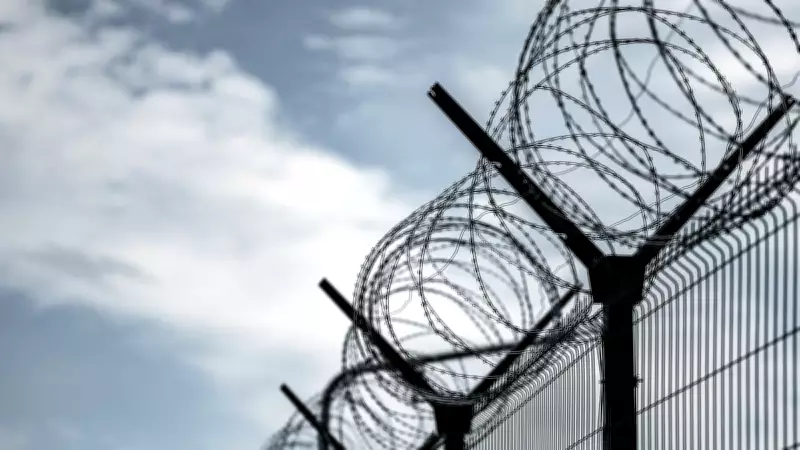
In Meghalaya's East Khasi Hills district, the village of Lyngkhong is at the center of a growing dispute over the alignment of the India-Bangladesh border fence. Located virtually on the zero line, Lyngkhong is one of the few villages where homes stand just metres from a settlement in Bangladesh. According to international convention, fencing must be at least 150 yards from the zero line, but the current alignment has sparked fears of isolation among residents.
Village Concerns
The villagers of Lyngkhong have expressed strong opposition to the proposed fence alignment, arguing that it would cut off their community from essential services and neighboring areas. Many residents rely on cross-border ties for trade, healthcare, and family connections. The fear is that the fence, if built as planned, will effectively isolate them, disrupting their daily lives and livelihoods.
Historical Context
The India-Bangladesh border has been a point of contention for decades, with fencing projects often leading to protests from local communities. In Lyngkhong, the proximity to the border means that any fence construction directly impacts homes and farmlands. The villagers have demanded a review of the alignment, insisting that their voices be heard in the decision-making process.

Government Response
Local authorities have acknowledged the concerns but maintain that the fence is necessary for national security. They have assured the villagers that their grievances will be considered, though no concrete changes have been announced yet. The protest continues as residents await a resolution that balances security needs with their right to live without disruption.
The situation in Lyngkhong highlights the broader challenges of border management in densely populated and culturally connected regions. As discussions proceed, the villagers remain hopeful that a mutually acceptable solution can be reached.