

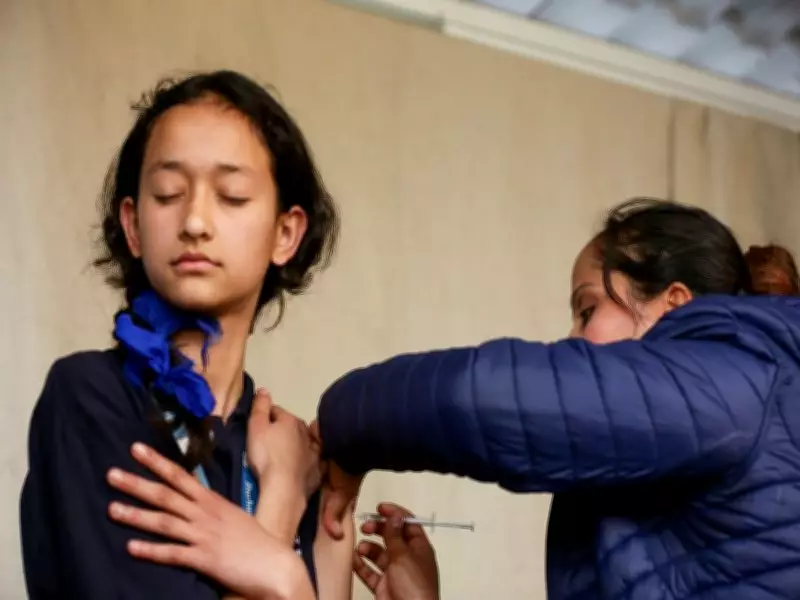
Nepal Sustains HPV Vaccination Efforts Concurrently with Election Preparations
In a significant move to bolster public health, Nepal is actively continuing its Human Papillomavirus (HPV) vaccination drive, specifically targeting young girls, while simultaneously preparing for upcoming parliamentary elections. This dual focus underscores the government's commitment to maintaining essential health services even during politically charged periods.
Vaccination Campaign Targets Key Demographic
The vaccination initiative is primarily aimed at girls between the ages of 9 and 14, a critical group for preventing cervical cancer later in life. Health authorities have mobilized resources across various regions to ensure widespread access to the vaccine, emphasizing its importance in reducing long-term health risks. Despite the logistical challenges posed by election activities, the drive has seen steady progress, with health workers diligently administering doses in schools and community centers.
Election Preparations and Public Health Coordination
As Nepal readies for parliamentary elections, which involve extensive planning and resource allocation, the government has made concerted efforts to avoid disruptions to the vaccination program. Officials have coordinated schedules to prevent conflicts between election-related events and health campaigns, ensuring that both democratic processes and public health priorities are upheld. This careful balancing act highlights the administration's ability to manage multiple national priorities effectively.

Key aspects of the coordination include:
- Aligning vaccination sessions with election timelines to minimize overlap.
- Utilizing separate teams for health and election duties to maintain efficiency.
- Communicating clearly with the public to avoid confusion and ensure participation in both initiatives.
Impact on Public Health and Future Outlook
The continuation of the HPV vaccination drive amid election preparations is expected to have a positive impact on public health outcomes in Nepal. By protecting young girls from HPV, the campaign aims to significantly lower the incidence of cervical cancer, which is a leading cause of cancer-related deaths among women in the country. Health experts commend the government's persistence, noting that such efforts are crucial for achieving long-term health goals and improving overall community well-being.
Looking ahead, authorities plan to expand the vaccination coverage and integrate it with other health programs, ensuring sustainability even beyond the election period. This proactive approach sets a precedent for other nations facing similar challenges in balancing health initiatives with political events.






