

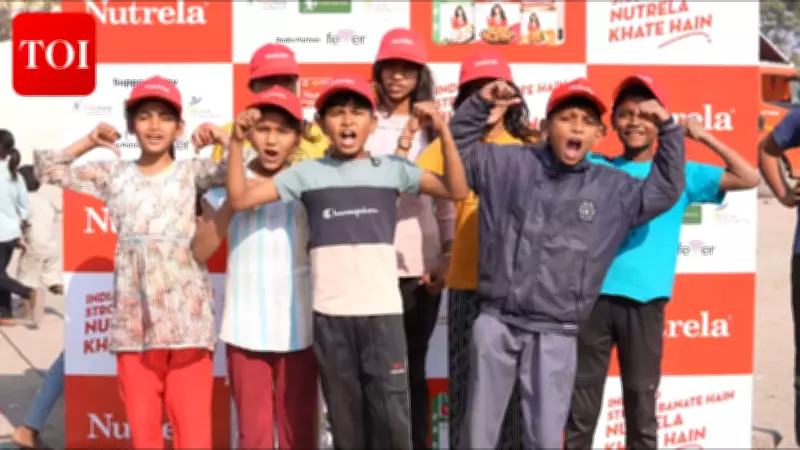
National Protein Day Campaign Serves One Lakh Children in Delhi-NCR
On February 27, observed as National Protein Day across India, a massive meal distribution initiative reached 52 slum clusters throughout the Delhi-National Capital Region. Approximately one lakh children received protein-rich meals as part of the #NutrelaGivesBack campaign, spearheaded by Nutrela, a prominent brand operating under Patanjali Foods Limited.
The Silent Crisis of Protein Deficiency in India
Protein deficiency continues to be a widespread yet under-discussed public health concern in India, particularly affecting children from economically disadvantaged families. This initiative brings crucial attention to a question that rarely receives mainstream media coverage: Are Indian children consuming sufficient protein to support proper growth, learning, and overall development?
Why protein remains critically important beyond common perception

India has historically struggled with undernutrition, but public discourse frequently emphasizes calorie intake rather than nutritional quality. Many children consume enough food to satisfy hunger, yet they miss essential nutrients vital for muscle development, immune system strengthening, and cognitive function. Protein serves as a foundational element for all these biological processes.
Protein extends far beyond muscle building. It facilitates tissue repair, produces enzymes and hormones, and supports growth during childhood years. Chronic protein insufficiency can lead to weakened immunity, delayed cognitive development, and persistent fatigue. For growing children, this nutritional gap can have lasting consequences for lifelong health outcomes.
Large-Scale Distribution with Plant-Based Nutrition
During the National Protein Day campaign, approximately one lakh meals were distributed to children across 52 slum communities throughout Delhi-NCR. The meals incorporated plant-based protein sources, including soy-based ingredients, and were prepared using fortified oil containing essential vitamins A and D.
Distribution logistics were managed through partnerships with established non-profit organizations including Robin Hood Army, Truly Help, and Helpin Humanity. These groups handled last-mile delivery operations, ensuring meals reached children directly within their residential communities.
The operational scale of this initiative is particularly noteworthy. Coordinating meal preparation, transportation, and on-ground distribution across multiple urban clusters within a single day required meticulous planning and collaborative execution.
However, the campaign's broader significance extends beyond numerical metrics. It represents a focused spotlight on a nutritional deficiency that frequently remains overlooked in public health discussions.
Corporate Vision and Nutritional Nation-Building
The initiative was led by Nutrela, operating under Patanjali Foods Limited. In an official statement, CEO Sanjeev Asthana emphasized, "Nutrela is more than just a protein brand — it is part of our larger vision of nation-building. Patanjali believes that a strong nation is built on the pillars of education and health. With widespread protein deficiency in India, it is critical that the nutritional gap is bridged to drive long-term health outcomes."
Such campaigns typically exist at the intersection of corporate social responsibility and public health messaging. It is essential to evaluate them with balanced perspective. While food distribution drives provide immediate nutritional support and raise public awareness, sustainable nutrition requires comprehensive structural solutions.
These include improved access to affordable protein sources, enhanced maternal education programs, school meal system reforms, and strengthened public distribution mechanisms.
Beyond Single-Day Interventions
A one-day distribution campaign cannot resolve chronic malnutrition challenges. However, it can initiate important conversations and direct attention toward protein consumption patterns, especially within communities where daily meal security remains uncertain.

Protein deficiency rarely generates headlines like infectious disease outbreaks. Instead, it develops gradually, affecting academic performance, compromising immune function, and influencing adult health outcomes years later. Addressing this issue demands sustained collaboration among government agencies, food corporations, civil society organizations, and local communities.
Nutritional improvement may lack dramatic immediacy, but its impact proves decisive for national development and individual wellbeing.





