Odisha's Silent Epidemic: The Rising Number of Underage Grooms
In the tribal heartlands of Odisha, a concerning trend is emerging that challenges traditional narratives around child marriage. While discussions have historically focused on protecting young girls, the state is now witnessing a higher prevalence of underage grooms than child brides, particularly within its Scheduled Tribes and Particularly Vulnerable Tribal Groups (PVTGs).
Two Stories, One Pattern
Rakesh (name changed), an 18-year-old from Ganjam district with aspirations of becoming a civil servant, found himself at odds with his family's plans. Despite his academic performance and desire for higher education, his parents arranged his marriage to a distant cousin for December last year, reflecting practices still common in his tribal community. When protests failed, Rakesh sought intervention through a local Anganwadi worker and child development project officer, successfully getting the wedding called off.
Meanwhile, in a remote village under Kaptipada block of Mayurbhanj district, Arjun (name changed) took a different path. After dropping out of school at 17 and migrating to Kerala for work, he returned a year later with savings to marry a girl from his Kolha community who was a year younger. The minor couple now works as unskilled labourers at a rubber estate, with his wife's wages supplementing their income and supporting their family back home.

The Data Tells a Troubling Story
Under the Prohibition of Child Marriage Act, 2006, boys are considered minors until 18 but can legally marry only at 21, while girls must be at least 18. Official data reveals a significant shift: while child marriage among girls in Odisha has declined sharply from around 45% in 1992-93 to 20.5% in the latest National Family Health Survey (NFHS-5), the proportion of boys married before 21 has increased to 13.3% from 11% in the previous survey.
The disparity becomes more pronounced in rural and tribal areas, where 14.8% of boys marry before the legal age compared to 7.8% in urban regions. Nationally, marriages among underage boys have declined, making Odisha's trend particularly concerning.
Root Causes: Dropouts, Migration, and Cultural Norms
Child rights activists identify several interconnected factors driving this phenomenon:
- School Dropouts: The government's UDISE+ report for 2024-25 shows a 20.3% dropout rate among Scheduled Tribes at secondary level, the sixth highest nationally.
- Migration for Employment: Without vocational training, unskilled labour becomes the only option for dropouts.
- Cultural Acceptance: Adolescent relationships and elopement are culturally accepted in many tribal communities.
Birsa Singh, a tribal education activist from Mayurbhanj's Kolha community, observes that "even basic desires like owning a mobile phone to access social media force many tribal boys to quit school and work." Once they earn money, marriage often follows quickly.
Social rights activist Anil Pradhan adds that lack of interest in studies, long distances to schools, and absence of counseling exacerbate the problem. "Once a tribal boy drops out, earning money becomes the biggest priority," he notes.
Government Response and Challenges
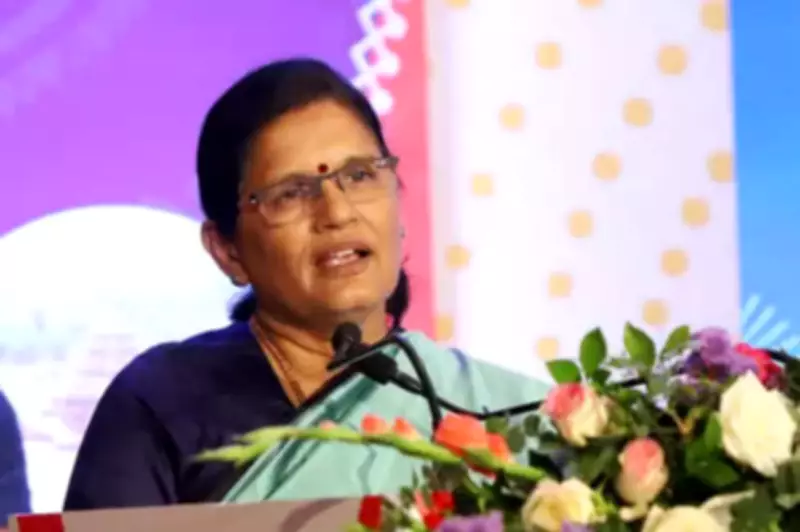
Deputy Chief Minister Pravati Parida emphasizes the state's efforts to prevent child marriages across genders, with Anganwadi workers and child welfare committees actively involved. However, she acknowledges that ending the practice requires social support and cooperation.
"Child marriages should be reported by the public, and the department will take immediate legal action whenever such complaints are received," Parida states, highlighting the need for community participation in addressing this complex issue.
As Odisha continues its fight against child marriage, activists stress that greater attention must be paid to boys from tribal communities. While the impact on girls has been widely studied, the consequences for young grooms—including limited education, early economic pressures, and restricted opportunities—require urgent examination and intervention.