

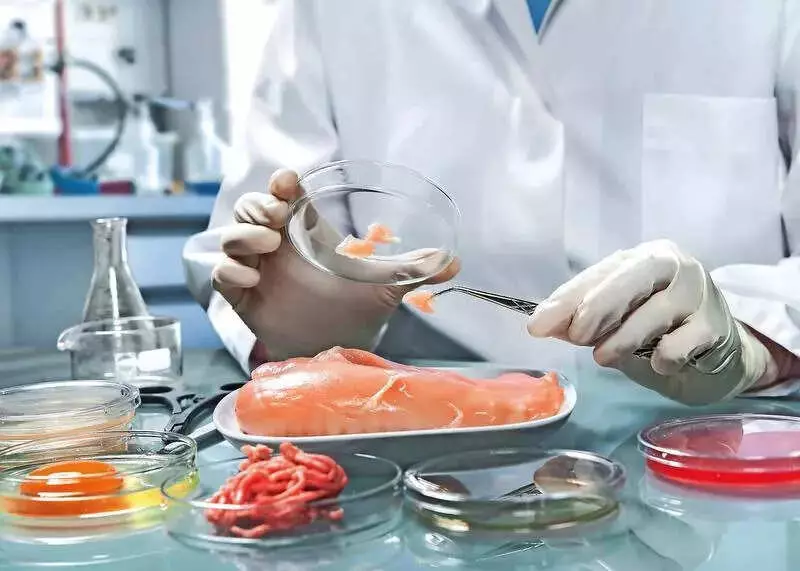
Food safety in Telangana is facing a critical bottleneck due to the state having just one functional food sample testing laboratory. Located in Nacharam, Hyderabad, this facility is struggling with massive delays, with test results now taking three to four months to be processed.
Overburdened Lab Serving Two States
The Nacharam laboratory is not only catering to Telangana but also continues to handle samples from neighbouring Andhra Pradesh. Officials reveal that the facility receives nearly 600 samples every day from various districts across both states. The testing process is inherently lengthy, and the sheer volume has compounded the problem significantly.
"Each inspection often requires multiple samples, which further increases the workload," explained a senior official from the office of the commissioner of health and family welfare. The situation stems from the bifurcation of Andhra Pradesh in 2014. "Several trained staff were transferred to Andhra Pradesh after the split, but no new posts were created to make up for the shortage," the official added.

Staff Shortage Doubles Workload Despite Machine Capacity
While the laboratory is equipped with adequate machine capacity, the acute lack of manpower has effectively doubled the workload for the existing staff. To address this, the department has sought permission from the Food Safety and Standards Authority of India (FSSAI) to hire more personnel on a contract basis.
In a pragmatic move, authorities have also written to the Andhra Pradesh government. They have offered to continue testing its food samples provided the neighbouring state agrees to bear the associated costs, a proposal still under consideration.
Inadequate Field Force and Enforcement Efforts
Compounding the laboratory crisis is a severe shortage of field staff. Telangana currently has only one food safety officer per district, a number officials openly admit is inadequate for a large and populous state. Proposals to recruit more officers have been sent to the relevant authorities.
The food safety department conducts two primary types of sampling: surveillance samples for routine quality checks and statutory samples which are crucial for legal action and prosecution. Officials state that focused efforts are being made to improve the quality and quantity of statutory samples to strengthen enforcement.
As per guidelines, each food safety officer is mandated to carry out at least 10 inspections monthly, collecting 15 surveillance samples and 10 statutory samples. The department has also been conducting monthly drives targeting high-risk food business operators (FBOs).
Focus on High-Risk Areas and Push for New Labs
These targeted operations include checks on edible oils, sweets, spices, bakeries, and mineral water units. Inspections have also been extended to e-commerce warehouses, with a focus on verifying expiry dates and storage conditions. Improvement notices are issued wherever violations are found.
Looking for a long-term solution, the department has written to the FSSAI seeking approval to establish new food testing laboratories in the state. "The availability of land has already been communicated, but further clearance is pending," the senior official said. Some districts have been tentatively identified, but the final locations will depend on FSSAI's approval and a thorough need-based assessment.
The current system, reliant on a single overburdened lab and a thin field force, highlights significant challenges in ensuring timely food safety across Telangana and Andhra Pradesh, putting public health monitoring under strain.






