

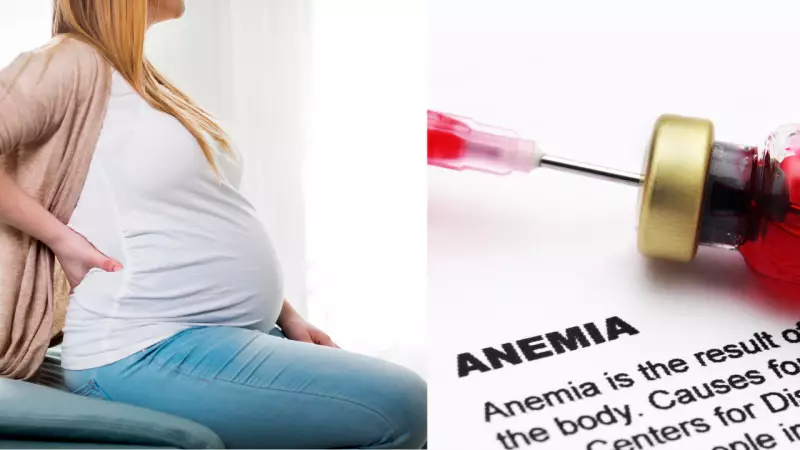
For countless expecting mothers in rural India, the profound joy of pregnancy is shadowed by an unrelenting fatigue, a pervasive tiredness that simple rest cannot cure. This is the stark reality of anaemia, a condition that afflicts a staggering 52.2 percent of pregnant women across the nation, as per the latest National Family Health Survey-5 (NFHS-5, 2019-2021). Far from being mere exhaustion, this deficiency is a silent crisis, significantly elevating risks during childbirth and compromising the lifelong health of both mother and child.
The Grim Statistics: A National Health Emergency
The NFHS-5 data paints a concerning picture. While the 52.2% figure shows a marginal improvement from previous surveys, it remains one of the highest national rates globally. The situation is particularly dire in states like Bihar, Uttar Pradesh, and Madhya Pradesh, where prevalence rates soar beyond 60%, disproportionately impacting marginalized communities. A study published in PLOS One, analyzing social strata trends, underscores this disparity.
This "silent emergency" is a primary driver behind 20-30 percent of maternal deaths in India, largely due to severe haemorrhage. For newborns, the consequences are severe: the odds of preterm delivery double, and iron deficiency stunts early growth and weakens immunity, triggering a cascade of health issues that can span a lifetime. Experts note that untreated anaemia perpetuates vicious cycles of poverty and ill health within families.

Unraveling the Complex Causes
The roots of this epidemic are deeply entwined with diet, biology, and access to care. The typical Indian diet, rich in rice, wheat, and millets, contains phytates that inhibit iron absorption. The common practice of consuming tea or coffee after meals further blocks the body's ability to take in iron.
Many women enter pregnancy with already depleted iron stores, a legacy of inadequate nutrition during adolescence and iron loss from heavy menstrual bleeding. In malaria-endemic regions, parasites exacerbate the deficiency. Furthermore, pregnancy itself induces inflammation, raising levels of a hormone called hepcidin, which can reduce the effectiveness of oral iron supplements by up to 70% by shutting down iron absorption in the gut.
Beyond the Pill: The Promise of Intravenous Iron
Traditional oral iron tablets, while effective for mild cases, present significant challenges. Side effects like vomiting, abdominal pain, and constipation affect 30-40 percent of women, leading to poor compliance, with community adherence rates falling below 50%. Replenishing stores orally is also slow, often impractical when anaemia is diagnosed late in pregnancy.
For moderate to severe cases, intravenous (IV) iron infusions are emerging as a game-changer. A 2025 meta-analysis in BMC Pregnancy and Childbirth, reviewing 15 trials with over 4,200 women, found IV iron raised haemoglobin levels 6-13 g/L faster than oral supplements, with far fewer gastrointestinal side effects. Ongoing trials in India, like RAPIDIRON, are testing early second-trimester IV dosing to ensure safer deliveries.
Dosing is precisely calculated using the Ganzoni formula to prevent overload. Under government protocols, IV iron is administered at primary health centers and above by medical officers, with mandatory post-infusion observation. Modern formulations allow high single doses, reducing the number of required hospital visits.
Pathways to Prevention and Empowerment
Combating this crisis requires a multi-pronged approach focused on prevention and early intervention:

- Dietary Empowerment: Encouraging iron-rich plates with spinach, lentils, chickpeas, jaggery, and occasional meat/fish, paired with vitamin C from citrus fruits to boost absorption.
- Early and Regular Screening: Mandatory haemoglobin checks from the first prenatal visit (around week 12) to catch deficiencies early.
- Expanding Access: The Anemia Mukt Bharat program has expanded IV iron access to approximately 1.5 lakh health facilities nationwide.
- Food Fortification: Scaling up successful pilot projects that fortify staple foods like rice with iron, especially in schools and workplaces.
The battle against maternal anaemia is not just a medical challenge but a fundamental step towards securing the health of future generations. As the data shows, informed prevention and modern treatment can turn the tide on this silent emergency.





