

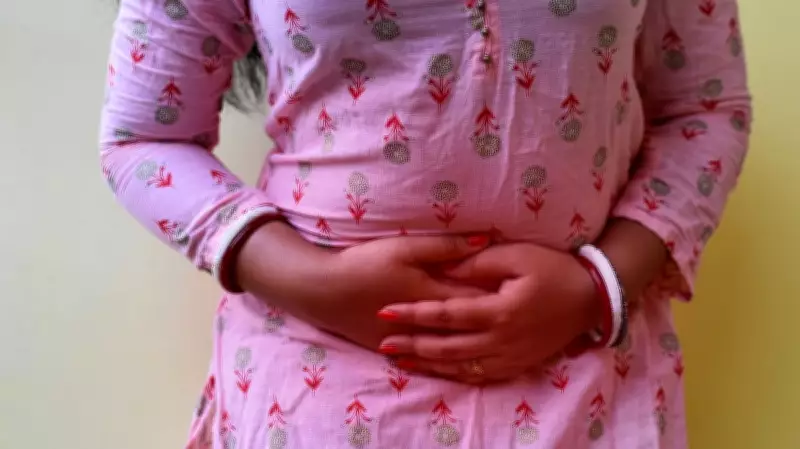
PCOS Crisis in India: 1 in 5 Women Affected, Diagnosis Often Delayed
A shocking new report has revealed that one in every five Indian women is affected by Polycystic Ovary Syndrome (PCOS), a prevalent endocrine disorder. Despite its high incidence, the diagnosis of this condition remains poor or significantly delayed across the country, creating a major public health concern.
Research Highlights the Scale of the Problem
The alarming statistics and trends related to PCOS have been extensively tracked and documented by leading research organizations. Key among these are the Indian Council of Medical Research (ICMR) and the PCOS Society of India. Their collaborative studies underscore the widespread nature of this hormonal imbalance, which impacts millions of women in their reproductive years.
PCOS is characterized by a range of symptoms, including irregular menstrual cycles, excessive hair growth, acne, and weight gain. More critically, it is a leading cause of infertility among women. The disorder involves hormonal changes that can lead to long-term health risks such as type 2 diabetes, cardiovascular diseases, and endometrial cancer if left unmanaged.

Why Diagnosis is Often Poor or Delayed
Several factors contribute to the inadequate diagnosis of PCOS in India:
- Lack of Awareness: Many women and even some healthcare providers are not fully aware of the symptoms and severity of PCOS.
- Symptom Overlap: Common symptoms like weight gain or irregular periods are often attributed to lifestyle factors rather than a medical condition.
- Access to Specialists: There is a shortage of fertility specialists and endocrinologists in many regions, leading to delayed consultations.
- Social Stigma: Issues related to reproductive health are sometimes not discussed openly, preventing early medical intervention.
Treatment typically involves lifestyle modifications, such as diet and exercise, and may include hormonal pills to regulate cycles and manage symptoms. However, without timely diagnosis, these interventions are often implemented too late, reducing their effectiveness.
The Role of Digital Platforms and Future Steps
In recent years, platforms like Instagram have seen a rise in awareness campaigns under hashtags like #pcos on instagram, where women share their experiences and support each other. While this has helped in community building, it is not a substitute for professional medical advice.
To address this crisis, experts recommend:
- Enhancing public health campaigns to educate women about PCOS symptoms and risks.
- Training more general practitioners to recognize and refer suspected PCOS cases early.
- Increasing funding for research into better diagnostic tools and treatments.
- Integrating PCOS screening into routine health check-ups for women.
The findings from ICMR and the PCOS Society of India serve as a crucial wake-up call. With 20% of Indian women battling this disorder, improving diagnosis rates is not just a medical necessity but a vital step towards safeguarding women's health and well-being across the nation.






