

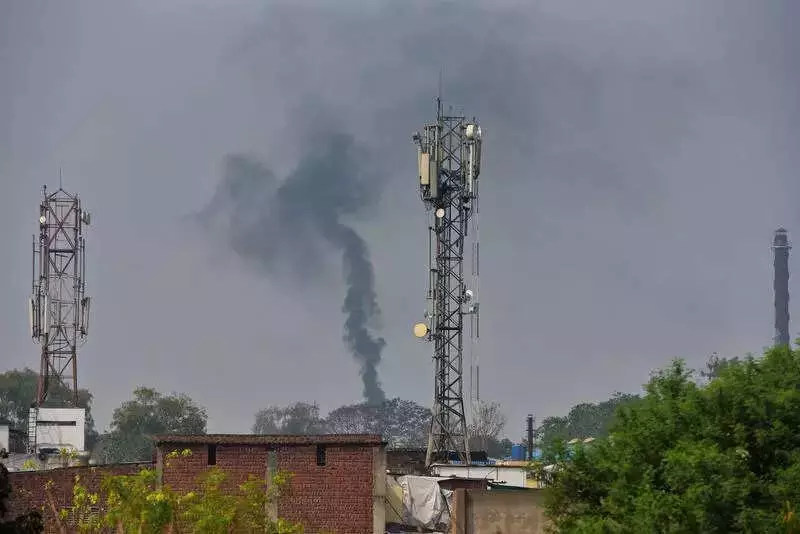
Recent data from the Central Pollution Control Board (CPCB) has identified Pimpri Chinchwad as one of the most polluted urban centers in Maharashtra. The city's air quality index (AQI) persisted in the 'poor' category for an extended period, raising significant environmental concerns.
Alarming Data Points to a Persistent Problem
Figures from the CPCB's monitoring network, which includes stations run by the Maharashtra Pollution Control Board (MPCB) and the Indian Institute of Tropical Meteorology (IITM), placed the Pimpri Chinchwad Municipal Corporation (PCMC) area at the top of the state's pollution list. A detailed analysis of the first fortnight of December showed a grim picture: the city's AQI surpassed the 200 mark on seven out of the 14 days.
During the same monitoring period, pollution levels in Pimpri Chinchwad consistently outpaced those in neighboring Pune. While Pune's average AQI fluctuated between 202 and 215 on six days, Pimpri Chinchwad recorded more severe readings ranging from 206 to 242.

Identifying the Major Pollutants and Their Sources
Experts pinpointed particulate matter—specifically PM2.5 and PM10—as the primary drivers of the deteriorating air quality. The sources, however, are multifaceted. Environmental specialists link the high pollution to emissions from widespread construction projects, ready-mix concrete (RMC) plants, and industrial operations, noting the region's status as a major hub for automobile and pharmaceutical industries.
Sanjay Kulkarni, City Engineer and head of PCMC's environment department, provided a detailed breakdown. He stated that vehicular emissions are the chief source of PM2.5 in the city. On the other hand, ongoing construction activities, RMC plants, and the burning of waste are identified as the main contributors to PM10 levels. He clarified that while the city is industrial, it lacks highly polluting industries like sugar mills, which are more associated with air pollution; local industries are more linked to water pollution concerns.
Administrative Action and Civic Response
In response to the crisis, the PCMC administration claims to have initiated several countermeasures. Kulkarni listed actions including the installation and activation of pollution control units like mist fountains and air bins. The civic body is also emphasizing mechanical road cleaning and promoting electric vehicles to curb vehicular pollution.
"Action is also being taken against the RMC plants and construction units that are found violating the pollution norms," Kulkarni affirmed. He mentioned that although the Graded Response Action Plan (GRAP) was launched last year, it has not yet been activated. Meanwhile, environmental activists like Sharmila Deo from the NGO Parisar corroborated the official assessment, highlighting combustion from vehicles and open burning for PM2.5, and road dust and construction for PM10.
The situation underscores a pressing need for sustained and intensified efforts to improve air quality in this rapidly developing industrial corridor, safeguarding public health against the insidious effects of chronic pollution.






