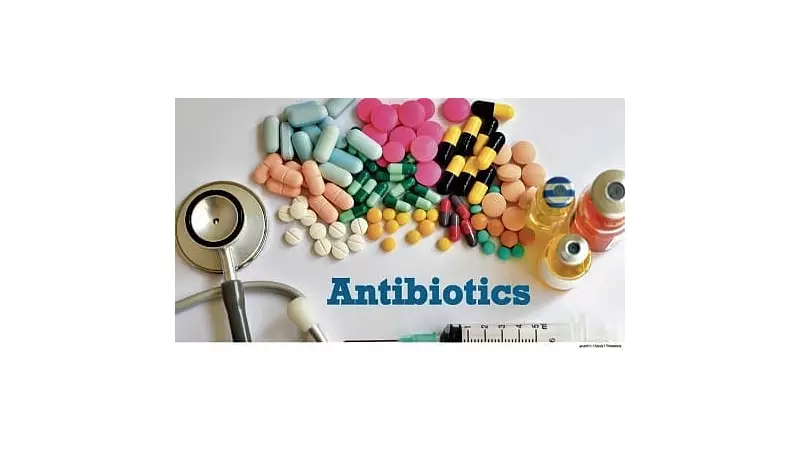
In a significant address that has amplified a critical public health warning, Prime Minister Narendra Modi used his recent Mann Ki Baat broadcast to highlight the grave threat of rising antimicrobial resistance. Citing a concerning report from the Indian Council of Medical Research, the Prime Minister identified the reckless use of antibiotics as a primary catalyst for this growing crisis.
PM Modi's Clarion Call on a Global Health Threat
During the episode, which aired recently, Prime Minister Modi did not mince words. He presented data from the ICMR report to underscore how the indiscriminate consumption of antibiotics is fueling antimicrobial resistance, making common infections harder and sometimes impossible to treat. This direct intervention from the nation's highest office has reignited urgent discussions around Antimicrobial Resistance (AMR), not just within India's medical and policy circles but on a global scale.
The Prime Minister's message serves as a powerful reminder that AMR is not a distant problem. It is a present and clear danger that undermines modern medicine, complicates surgeries, and increases mortality from routine infections. By bringing this issue to the forefront of a popular national program, he has effectively mobilized public attention toward a silent pandemic.
The ICMR Findings: A Data-Backed Reality Check
The ICMR report, referenced by PM Modi, provides the scientific backbone for this urgent call to action. It details the alarming rate at which bacteria in India are developing resistance to first-line and even last-resort antibiotics. This resistance is driven by several factors, with the indiscriminate use of antibiotics in humans, animals, and agriculture being a key driver.
Over-prescription by healthcare providers, self-medication by the public, and the widespread use of antibiotics in livestock for growth promotion all contribute to the problem. When microbes are repeatedly exposed to these drugs, they evolve, rendering the medications ineffective. The ICMR's surveillance data paints a worrying picture of this trend accelerating across the country.
Implications and the Path Forward
The consequences of unchecked AMR are severe. It leads to longer hospital stays, higher medical costs, and increased fatalities. The World Health Organization has long classified AMR as one of the top ten global public health threats. Prime Minister Modi's address aligns India's fight with this global priority, emphasizing that solutions require a concerted One Health approach—considering human, animal, and environmental health together.
The renewed focus post-Mann Ki Baat is expected to bolster ongoing efforts in several key areas:
- Strengthening Regulations: Curbing over-the-counter sales of antibiotics without valid prescriptions.
- Public Awareness: Educating both the public and healthcare professionals on the prudent use of antibiotics.
- Enhanced Surveillance: Expanding networks like the ICMR's to monitor resistance patterns more closely.
- Promoting Research: Incentivizing the development of new antibiotics and alternative therapies.
As noted by health experts, the Prime Minister's intervention is a pivotal moment. It transforms a complex medical issue into a mainstream national conversation, creating the political and social will necessary for meaningful action. The fight against AMR demands sustained commitment from every sector of society, and this high-level advocacy is a crucial step in safeguarding the efficacy of medicines for future generations.