

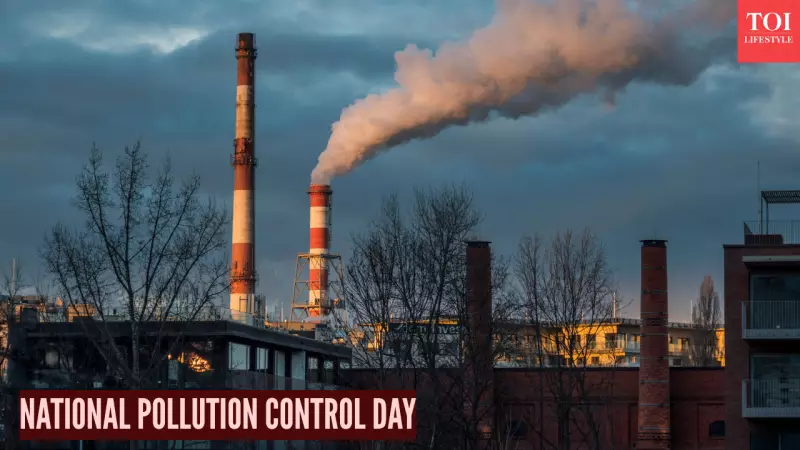
Every year on December 2, India observes National Pollution Control Day, a solemn occasion that serves a dual purpose: to honour the victims of the catastrophic Bhopal Gas Disaster and to spotlight the inextricable link between environmental pollution and severe public health risks. This day stands as a powerful reminder of the urgent, life-saving need to control pollution for the sake of our collective well-being and the planet's future.
The Bhopal Gas Tragedy: A Nightmare That Defined a Cause
The genesis of this observance lies in one of history's worst industrial disasters. On the night of December 2-3, 1984, a lethal gas, methyl isocyanate, leaked from a pesticide plant operated by Union Carbide in Bhopal, Madhya Pradesh. The immediate health effects were devastating, with victims suffering from violent coughing, breathlessness, eye irritation, nausea, and loss of consciousness.
Thousands perished instantly, while a vast number of survivors were condemned to a lifetime of chronic illness. The long-term aftermath included severe respiratory diseases, vision impairment, neurological disorders, and organ damage. The Bhopal tragedy remains a harrowing case study of how negligence in environmental safety can lead to generational suffering and disability, permanently scarring a community.

Pollution's Invisible Toll: A Global Health Emergency
Decades later, pollution continues to rank among the gravest threats to global public health. It is a silent pandemic responsible for millions of premature deaths annually. Air pollution alone caused an estimated 8.1 million deaths globally in 2021, making it the second leading risk factor for death worldwide, even for children under five, as per a UNICEF press release.
The mechanisms are alarmingly direct. Fine particulate matter (PM2.5) penetrates deep into the lungs and enters the bloodstream, triggering inflammation and causing damage to vital organs like the heart, brain, and lungs. This exposure is a primary driver behind:
- Chronic obstructive pulmonary disease (COPD)
- Ischemic heart disease and stroke
- Lung cancer
- Acute lower respiratory infections
Beyond respiratory and cardiovascular systems, pollution is linked to increased risks of diabetes, cataracts, skin ailments, and can exacerbate mental health conditions. Reports like the State of Global Air 2025 consistently underline that air pollution is a persistent cause of millions of preventable deaths.
The Role and Call of National Pollution Control Day
This day transcends remembrance; it is a call to action. It underscores the severe health consequences of pollution and the critical urgency for implementing effective control measures. The observance aims to mobilize governments, industries, communities, and individuals to adopt decisive steps.
Key objectives include promoting cleaner technologies, enforcing stringent environmental laws, and encouraging sustainable lifestyle choices. A special focus is placed on educating and protecting the most vulnerable populations—children, the elderly, and those with pre-existing health conditions—who bear the brunt of pollution's impact.
How Can We Safeguard Our Health?
While systemic change is crucial, individual actions collectively make a significant difference. Here are practical steps everyone can take:
Reduce Personal Exposure: Use masks during poor air quality days and ensure good indoor ventilation to cut down on respiratory irritants.
Make Cleaner Choices: Opt for public transport, cycling, or walking to reduce fossil fuel dependence. Conserve energy at home and avoid burning waste.
Support Positive Initiatives: Participate in or support tree plantation drives and robust waste recycling programs. Protect water sources from chemical pollutants to prevent waterborne diseases.

Looking Ahead: For a Healthier, Cleaner Future
The legacy of Bhopal is a permanent warning. Moving forward requires robust pollution regulations, enhanced health surveillance, and vigilant public participation. Sustainable urban planning that reduces pollution hotspots and ensures access to clean air and water is non-negotiable.
National Pollution Control Day ultimately motivates a collective commitment. It envisions a future where rapid development does not come at the cost of human health. Through responsible policymaking and conscious living, we can reduce the deadly toll of pollution and nurture a clean, thriving environment essential for the well-being of generations to come.
This day is both a solemn commemoration and a stark reminder: controlling pollution and protecting health are inseparable goals. The path to a healthier planet begins with the choices we make today.





