For millions of disabled people across India's urban landscapes, the simple act of stepping outside is not a choice but a daily necessity. Yet, current environmental and public health policies often overlook this vulnerable demographic, creating a dangerous reality of forced exposure to hazardous air pollution.
The Inescapable Reality of Essential Mobility
While pollution control measures like odd-even vehicle schemes or work-from-home advisories offer some protection, they operate on an assumption of optional mobility. For a significant portion of the disabled population, this assumption is fundamentally flawed. Their daily life is structured around non-negotiable outdoor movement. Medical appointments, physical therapy sessions, and procuring essential supplies are tasks that cannot be postponed indefinitely or shifted online.
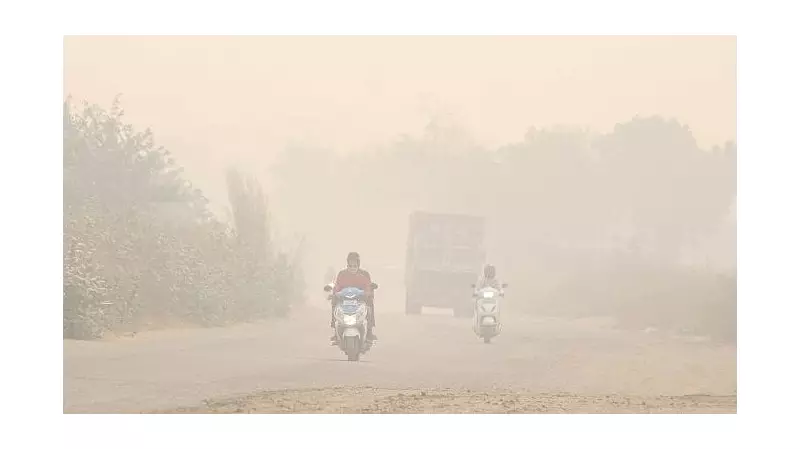
This necessity forces them into polluted streets and transit hubs, where air quality is often at its worst. Public transport, a lifeline for many, becomes a conduit for harmful pollutants. Bus stops, metro stations, and railway platforms are typically located in high-traffic zones, acting as concentrated pockets of poor air where individuals must wait, often without adequate shelter or clean air facilities.

The Politics of Policy Exclusion
The core of the issue lies in what critics call a politics of exclusion within policy frameworks. Disaster or pollution mitigation plans frequently fail to incorporate specific protocols for citizens with disabilities. There is a glaring absence of targeted advisories, accessible clean air shelters, or priority services that would allow this group to minimize exposure while fulfilling critical needs.
Anchal Bhatheja, highlighting this concern, points out that the discourse around pollution often centers on voluntary reduction of movement. This perspective invisibilizes those for whom staying indoors is not a viable long-term option. The last update on this pressing issue was noted as 23 December 2025, underscoring its continued relevance in public discourse.
Health Consequences and the Path Forward
The consequences of this policy gap are dire. Exposure to fine particulate matter (PM2.5) and other pollutants exacerbates respiratory conditions, cardiovascular issues, and general immunity—health challenges that many disabled individuals already manage. It creates a compounded health burden, turning essential journeys into potential health hazards.
Addressing this requires a more inclusive approach to urban and environmental planning:
- Inclusive Policy Design: Pollution control measures must explicitly include provisions for people with disabilities, considering their mandatory travel needs.
- Accessible Clean Air Infrastructure: Creating more accessible, clean-air public spaces and ensuring public transit hubs have better air filtration.
- Priority Access Services: Exploring systems for priority home delivery of medicines or mobile medical units to reduce unnecessary travel during peak pollution episodes.
Ultimately, the true measure of a society's environmental and public health policy is its protection of the most vulnerable. When policies designed to safeguard public health systematically exclude a segment whose daily survival depends on braving the very environment deemed unsafe, it signals a profound failure of inclusion and equity that demands immediate rectification.