

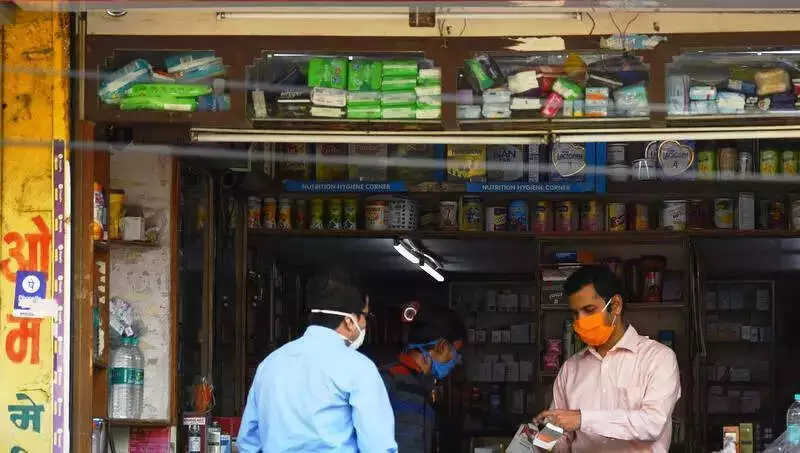
In a significant move to address a growing public health threat, the Pune Municipal Corporation (PMC) issued fresh guidelines on Tuesday, directly urging citizens to stop self-medicating with over-the-counter (OTC) drugs. This initiative aims to curb the alarming rise of antimicrobial resistance (AMR) within the community, aligning with similar directives from the Union government.
What is Antimicrobial Resistance and Why is it Dangerous?
Antimicrobial resistance occurs when microorganisms like bacteria, viruses, fungi, and parasites evolve to survive medicines that were once effective against them. This development renders standard treatments powerless, allowing infections to persist longer and dramatically increasing the risk of severe complications or even death. The PMC's guidelines specifically advise residents to avoid using antibiotics without a valid prescription from a qualified doctor.
Dr. Vaishali Jadhav, assistant officer at the PMC health department, emphasized the role of the public. "Vaccination and maintaining personal hygiene are fundamental to preventing infections," she stated. "People must avoid incomplete medication courses and should never take medicines without a proper prescription. Controlling AMR requires active public participation."

Key Directives for Public and Healthcare Providers
The comprehensive guidelines outline responsibilities for both citizens and medical institutions. For the public, the advice is clear: if a doctor prescribes antibiotics for a fever or infection, especially during the ongoing winter season, it is crucial to complete the entire course of medication. Incomplete courses contribute significantly to the development of resistant bacteria.
For hospitals and clinics, the PMC mandates that antibiotics should be prescribed only when absolutely necessary. Dr. Ameet Dravid, an HIV and infectious disease consultant at Noble Hospitals and Research Centre, explained a common pitfall. "Most patients visiting the out-patient department present with fever, cough, cold, or sore throat—symptoms typically caused by viral infections which do not require antibiotics," he said.
Dr. Dravid warned that unnecessary antibiotic use can wipe out beneficial gut bacteria and encourage the growth of drug-resistant strains. "This elevates the risk of serious infections like respiratory or urinary tract infections during future hospital visits. Over-the-counter antibiotics should be strongly discouraged," he added.
Expert Advice on Responsible Prescription Practices
Elaborating on prudent medical practice, Dr. Dravid advised fellow practitioners to avoid prescribing antibiotics during the initial phase of viral upper respiratory infections. "Antibiotics should only be considered when a bacterial co-infection is suspected, which may be indicated by symptoms like a productive cough with yellow sputum," he clarified.
Health experts globally recognize AMR as a critical challenge, as bacterial resistance makes common infections harder to treat and raises the risks associated with routine procedures like surgeries, chemotherapy, and dialysis. The PMC's proactive step is a localized response to this worldwide crisis, aiming to foster responsible behavior to preserve the effectiveness of existing medicines for future generations.






