

Punjab Government Unveils Major Health Sector Boost with Rs 6,890 Crore Allocation
The Punjab government has made a substantial commitment to improving healthcare infrastructure and services in the state by allocating a hefty sum of Rs 6,890 crore for the health sector in the 2024-25 budget. This significant financial injection is aimed at addressing various healthcare challenges and enhancing the overall well-being of Punjab's residents.
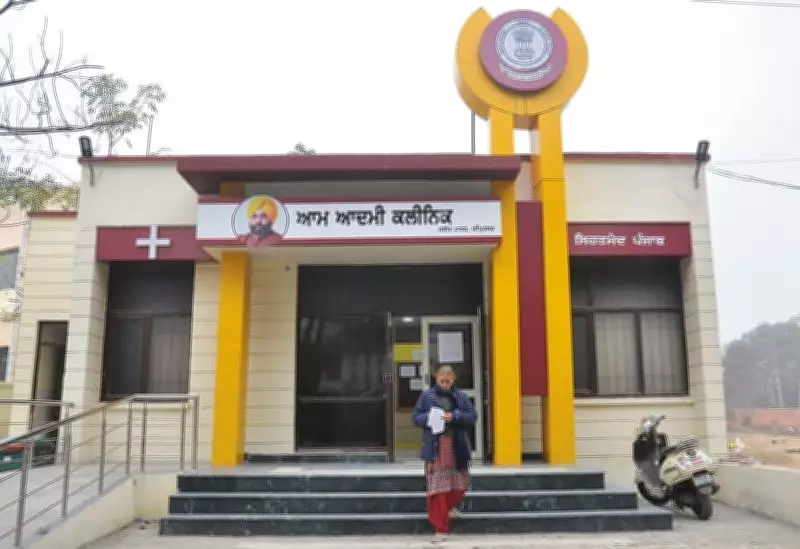
Expansion of Primary Healthcare with 143 New Mohalla Clinics
As part of this ambitious health initiative, the government has announced plans to establish 143 new Mohalla Clinics across Punjab. These clinics are designed to provide accessible and affordable primary healthcare services at the grassroots level, particularly in underserved and remote areas. The expansion is expected to significantly reduce the burden on larger hospitals and improve early diagnosis and treatment for common ailments.
The allocation of funds will support not only the construction and operational costs of these new clinics but also the procurement of essential medical equipment and the hiring of qualified healthcare professionals. This move aligns with the state's broader strategy to strengthen its healthcare system and ensure that quality medical care is within reach for all citizens, regardless of their location or socioeconomic status.

Key Focus Areas and Expected Outcomes
The Rs 6,890 crore budget for health is earmarked for several critical areas, including:
- Infrastructure Development: Upgrading existing healthcare facilities and building new ones to meet growing demands.
- Medical Supplies and Equipment: Ensuring hospitals and clinics are well-stocked with necessary drugs and modern diagnostic tools.
- Human Resources: Recruiting and training doctors, nurses, and paramedical staff to man the expanded network of health centers.
- Preventive Healthcare: Implementing programs for disease prevention, health education, and community outreach.
Officials anticipate that this investment will lead to improved health indicators, such as reduced infant and maternal mortality rates, better management of chronic diseases, and enhanced emergency response capabilities. The establishment of Mohalla Clinics is particularly seen as a game-changer in promoting preventive care and reducing hospital admissions for minor health issues.
Context and Broader Implications
This health sector allocation comes at a time when Punjab, like many other states, is grappling with the aftermath of the COVID-19 pandemic and the ongoing need to modernize its healthcare infrastructure. The government's focus on primary healthcare through Mohalla Clinics reflects a shift towards a more decentralized and community-centric approach, which has been successful in other regions.
By prioritizing health in the budget, Punjab aims to not only address immediate healthcare gaps but also build a resilient system capable of handling future health crises. The move is expected to have positive ripple effects on the state's economy by improving workforce productivity and reducing out-of-pocket healthcare expenses for families.
Stakeholders, including healthcare professionals and public health experts, have welcomed the announcement, emphasizing that sustained funding and effective implementation will be key to realizing the full benefits of this initiative. As the plans unfold, monitoring and evaluation mechanisms will be crucial to ensure transparency and accountability in the utilization of the allocated funds.






