

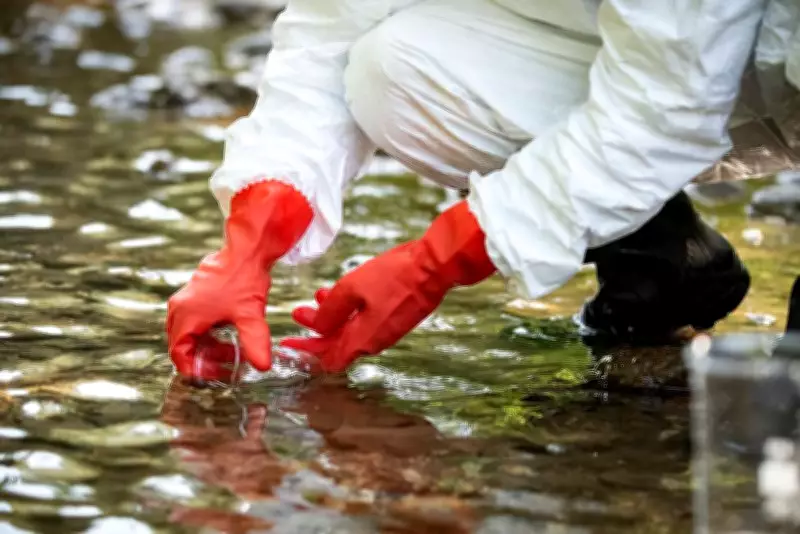
Alarming Drinking Water Contamination in Punjab and Haryana Over Five Years
New data presented in Parliament this week has unveiled a severe drinking water crisis in the northern Indian states of Punjab and Haryana, with high levels of bacterial and chemical contamination detected over the past five years. According to records from the Jal Shakti Ministry, Haryana tested a staggering 3,35,334 water samples during this period, out of which 20,334 were found to be bacteriologically contaminated and 5,691 showed chemical contamination.
State-Wise Breakdown of Water Quality Tests
In Punjab, the situation is equally concerning, with 2,05,053 samples tested. Among these, 5,109 samples had chemical contamination, while 389 were bacteriologically contaminated. Himachal Pradesh, which conducted the highest number of tests among Indian states at 11,78,436 samples, reported 110 cases of chemical contamination and 163 of bacteriological contamination, indicating a relatively lower but still significant issue.
Bacteriological contamination poses the highest risk, particularly during monsoon seasons and in areas with aging or leaking pipelines, as it can lead to waterborne diseases. Chemical contamination, on the other hand, involves excess levels of harmful substances such as fluoride, arsenic, nitrates, and heavy metals, which are most prevalent in regions dependent on groundwater sources.

National Contamination Rates and Government Response
Nationally, the problem is vast and alarming. Out of 3,27,52,723 water samples tested for quality over five years, 14,51,009 exhibited chemical toxicity, and another 11,74,266 reported bacterial toxins. This results in a contamination rate of over 8%, highlighting a widespread public health concern.
The Government has emphasized that drinking water is a state subject, placing the responsibility for planning, implementation, operation, and corrective actions squarely on the states. To support these efforts, states are permitted to utilize up to 2% of their annual Jal Jeevan Mission allocation specifically for water quality monitoring and surveillance activities.
In December 2024, the government released a Concise Handbook for Monitoring Water Quality of Piped Drinking Water Supply to Rural Households to guide states in improving water safety. Additionally, the department issues periodic advisories urging states to obtain and maintain accreditation for their drinking water testing laboratories to ensure reliable results.
Kerala and West Bengal Lead in Contamination Charts
Across India, Kerala recorded the highest bacteriological contamination over the five-year period, while West Bengal topped the charts for chemical contamination. This underscores the varied nature of water quality issues across different regions, necessitating tailored interventions.
The data serves as a critical reminder of the urgent need for enhanced water management and infrastructure upgrades to safeguard public health. With contamination rates remaining high, continued vigilance and investment in water quality initiatives are essential to ensure safe drinking water for all citizens.






