

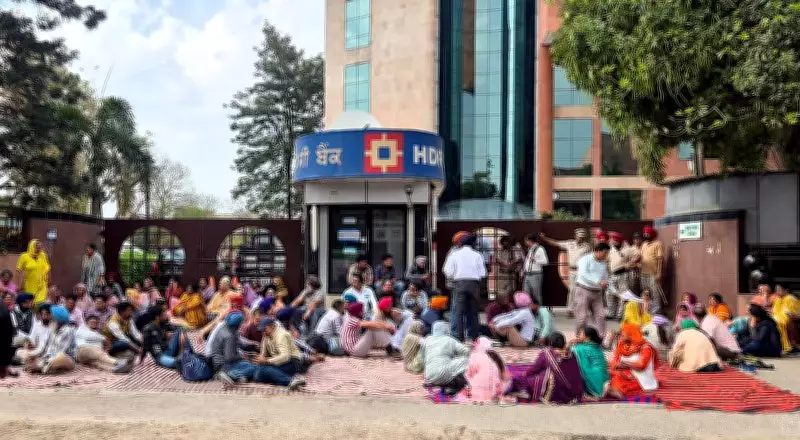
Rural Pharmacy Officers Stage Sit-In Protest in Mohali Over Employment Demands
Members of the Rural Health Pharmacy Officers Association, Punjab, along with other employees, staged a significant sit-in protest outside Vikas Bhawan in Mohali on Monday. The demonstration saw a large turnout of pharmacy officers and Grade IV employees from rural dispensaries across the state, highlighting long-standing grievances regarding their employment conditions.
Key Demands and Administrative Response
The protesting employees have put forth several critical demands, with the primary focus on regularisation of their positions with full salary benefits. They argue that many have been serving in rural dispensaries for nearly two decades, often on meagre salaries, without job security or adequate compensation.
In response to the protest, the administration issued a formal letter, advising the employees to contact the departmental minister. Additionally, a panel meeting has been scheduled for April 2, where senior authorities will be present to discuss and potentially resolve the issues raised by the association.

Threat of Escalated Action
State president of the association, Kamaljit Singh Chauhan, issued a stern warning, stating that if the government fails to address their demands during the upcoming meeting, a permanent dharna will be launched outside Vikas Bhawan starting April 2. Furthermore, employees plan to halt online work in the newly opened Aam Aadmi Clinics as a form of protest.
Chauhan, along with association leader Navtej Singh, emphasised that until regularisation is implemented, the government should provide basic PDA in accordance with High Court orders. They also demanded the deduction of Employees’ Provident Fund (EPF) contributions and the release of pending EPF dues, which have been a source of financial strain for many workers.
Broader Implications for Rural Healthcare
This protest underscores the ongoing challenges faced by healthcare workers in rural areas of Punjab. The employees' plight reflects broader issues within the state's public health system, where staffing and compensation gaps can impact service delivery. As the situation develops, stakeholders are closely watching the April 2 meeting, which could set a precedent for similar cases across the region.






