

Rice is a comfort food for millions. But there is a question many people never ask: how much arsenic does it contain? For millions of households, rice is more than just food. It is comfort, tradition, and often the centre of a meal. From a bowl of steaming basmati alongside dal to a simple plate of curd rice on a hot afternoon, rice has earned its place on dining tables across cultures. Yet in recent years, scientists have been paying closer attention to something that cannot be seen, smelled, or tasted: arsenic.
Arsenic is a naturally occurring element found in soil and groundwater. Rice plants are particularly efficient at absorbing it because they are grown in flooded conditions, which can make arsenic more available to the roots. A viral Instagram video by wellness creator Ayus Wellness UK recently reignited the conversation by claiming that a special cooking method can remove up to 73 percent of arsenic from rice. While social media often oversimplifies science, this time the discussion is rooted in evidence worth exploring. The bigger question is not whether people should stop eating rice. It is whether a few simple changes in the kitchen can make a familiar food even safer.
The Cooking Method That Has Scientists Talking
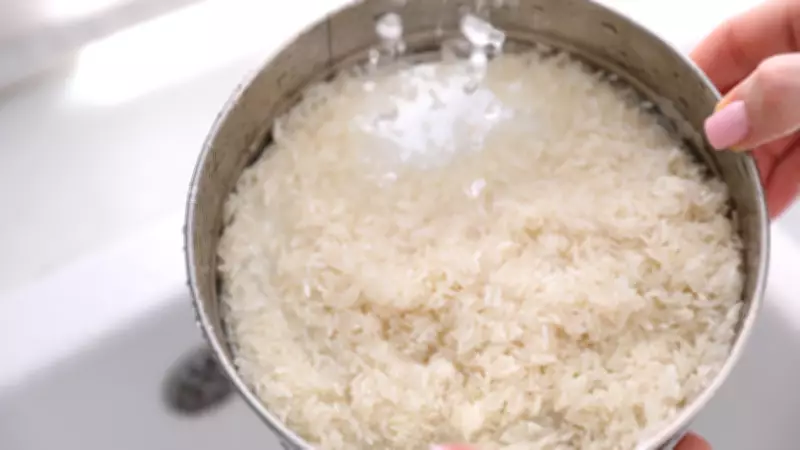
The technique shown in the video is known as the "parboiling with absorption" method. It involves rinsing rice thoroughly, boiling it in excess water for a few minutes, draining that water, and then finishing the cooking process in fresh water. The method closely resembles findings from researchers at the United Kingdom's University of Sheffield, who reported that a process involving parboiling rice in pre-boiled water before cooking it in fresh water significantly reduced inorganic arsenic levels while preserving important nutrients. The basic steps include: washing rice thoroughly, boiling four parts water for every one part rice, cooking the rice in the boiling water for about five minutes, draining the water completely, and adding fresh water and cooking the rice until done.

Why does this work? Arsenic is water-soluble. During the initial boiling stage, part of the arsenic leaches out into the cooking water. Discarding that water helps remove a portion of the contaminant before the rice is finished cooking. The approach is not a magic solution, but it can reduce exposure over time, especially for people who eat rice frequently.
What Does Arsenic Actually Do to the Human Body?
The word "arsenic" often sounds alarming because it has long been associated with toxicity. The reality is more nuanced. Health concerns generally arise from long-term exposure to elevated levels of inorganic arsenic rather than from eating a single serving of rice. According to the US Food and Drug Administration, long-term exposure has been associated with a higher risk of certain cancers, cardiovascular disease, and developmental concerns in vulnerable populations. The World Health Organization has also identified inorganic arsenic as a significant public health concern because chronic exposure can affect multiple organ systems over time. One useful way to think about arsenic is like air pollution. A single encounter is unlikely to matter much, but repeated exposure over years is what concerns scientists. That is why reducing unnecessary exposure, whenever practical, has become an area of interest for nutrition researchers.

A Doctor's Perspective: Don't Fear Rice, Understand It
Experts caution against turning rice into a dietary villain. Dr Sushila Kataria, Vice Chairman, Internal Medicine, Medanta Gurugram, believes the conversation should focus on awareness rather than fear. "Rice remains an integral part of the Indian diet and, for most people, can continue to be consumed safely as part of a balanced diet. However, growing evidence suggests that rice may contain varying levels of arsenic, a naturally occurring element that can enter crops through soil and groundwater. While occasional consumption is unlikely to pose a significant health risk, long-term exposure to elevated levels of inorganic arsenic has been linked to health concerns such as cardiovascular disease, metabolic disorders, and certain cancers." She added, "It is important to view this issue in perspective. The risk is influenced by several factors, including the source of the rice, dietary habits, and cooking methods. Simple measures such as washing rice thoroughly before cooking, using excess water during cooking and draining the surplus water can help reduce arsenic content." Dr Kataria also highlighted an important fact often overlooked in online discussions: "Also, white basmati rice from India has much lower arsenic compared to many rice varieties found elsewhere in the world." Instead of eliminating rice, she recommends variety. "Individuals should also consider diversifying their grain intake by incorporating millets, barley, oats, and other whole grains into their diet."
Who Should Pay the Closest Attention?
Not everyone faces the same level of concern. People who eat rice multiple times a day may benefit the most from adopting arsenic-reducing cooking methods. Families with young children should also be aware because children consume more food relative to their body weight. Pregnant women may also want to pay attention to food diversity, as many health authorities recommend varying grain choices during pregnancy. This does not mean rice should disappear from the menu. It simply means that relying on a wider range of grains can reduce dependence on a single food source. There is a reason nutrition experts often repeat a simple idea: variety protects. A plate that includes rice some days, millet on others, and oats or barley at different times during the week naturally reduces potential exposure while increasing nutrient diversity.
Small Kitchen Habits Can Add Up
The viral rice-cooking trick is not a miracle cure, but it is based on a practical scientific principle. Washing rice thoroughly, cooking it in excess water, and draining that water can reduce arsenic levels and may lower long-term exposure. More importantly, experts agree that rice remains a valuable part of a healthy diet. The goal is not to fear food. The goal is to understand it. As Dr Kataria noted, informed cooking practices, moderation, and dietary variety remain the most sensible approach. For many families, that means continuing to enjoy rice while making a few thoughtful adjustments along the way.
This article includes expert inputs shared with TOI Health by Dr Sushila Kataria, Vice Chairman, Internal Medicine, Medanta Gurugram. Inputs were used to examine the growing concerns around arsenic in rice, the cooking methods that may help reduce its levels, and why experts recommend informed food preparation practices rather than avoiding rice altogether.





