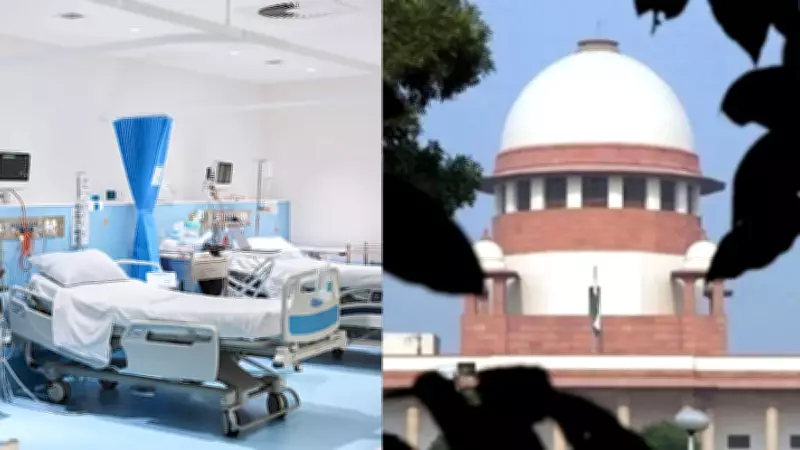
The Supreme Court of India has issued a landmark directive mandating a uniform trauma care framework across the country and the integration of all emergency helplines into a single emergency number 112. The apex court directed all states and Union Territories to complete full technical and operational integration of all emergency or ambulance helplines into the single emergency number 112 within three months.
Key Directives from the Supreme Court
The court emphasized the need for a standardized trauma care system to ensure timely and effective medical assistance to accident victims and emergency cases. The integration of helplines aims to eliminate confusion and delays caused by multiple emergency numbers.
Implementation Timeline
All states and UTs have been given a strict three-month deadline to achieve complete integration. The court warned of consequences for non-compliance, stressing the importance of saving lives through efficient emergency response.

Benefits of the New Framework
- Single Point of Contact: Citizens only need to remember 112 for all emergencies, including police, fire, and ambulance services.
- Faster Response: Integrated systems will reduce response times and improve coordination among emergency services.
- Uniform Standards: Trauma care protocols will be standardized across the country, ensuring consistent quality of care.
Background
The decision comes in response to a public interest litigation highlighting the lack of a cohesive emergency response system in India. The court noted that multiple helplines often lead to confusion and delayed assistance, costing lives.
The directive is part of a broader effort to strengthen healthcare infrastructure and emergency preparedness. The court also called for regular audits and monitoring of the integrated system to ensure its effectiveness.
This move is expected to significantly improve emergency medical services, particularly in rural and remote areas where access to timely care is often limited.