

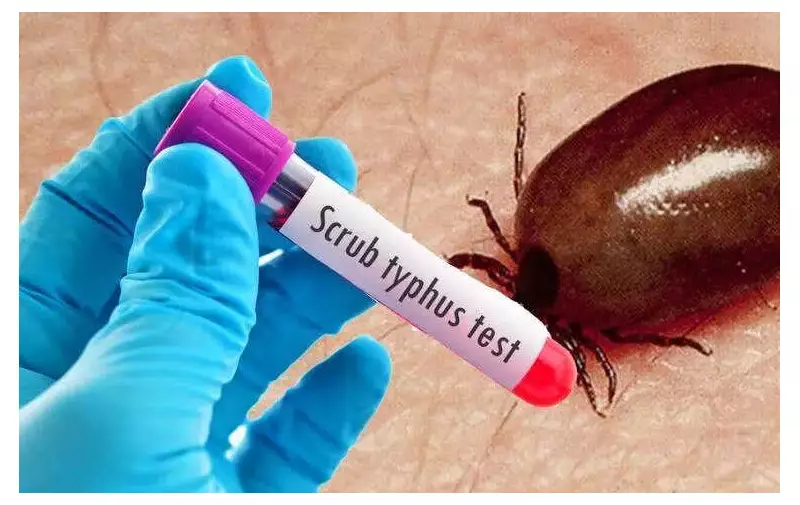
A concerning outbreak of scrub typhus is gripping the Visakhapatnam district of Andhra Pradesh, with health authorities reporting more than 130 confirmed cases. The disease, caused by a bacterial infection, is also seeing a rising number of infections in neighboring districts including Kakinada, East Godavari, ASR, and Konaseema, signaling a wider public health concern.
What is Scrub Typhus and How Does it Spread?
The illness is triggered by the bacterium Orientia tsutsugamushi. This pathogen is transmitted to humans through the bite of infected larval mites, popularly known as chiggers. These tiny pests are commonly found in environments with scrub vegetation, tall grass, and fields. Consequently, individuals who work outdoors, farm, or even walk through such areas are at a significantly higher risk of exposure.
After a chigger bite, a distinctive small, dark scab called an eschar may form at the site. However, the main symptoms typically manifest after an incubation period of one to two weeks.

Recognizing the Symptoms and Dangers
Doctors warn that scrub typhus presents a suite of flu-like symptoms that can be severe. Affected individuals commonly experience high fever, intense headache, body aches, vomiting, and profound fatigue. A maculopapular rash often appears on the trunk and limbs, and some patients report abdominal pain.
A key diagnostic challenge is that the fever associated with scrub typhus usually does not subside with common medications like paracetamol. Furthermore, standard laboratory tests for prevalent fevers such as malaria, dengue, or typhoid frequently return negative results, potentially leading to misdiagnosis or delay in treatment.
If left untreated, the infection can progress to serious, life-threatening complications, impacting vital organs like the lungs, kidneys, liver, and the central nervous system. Dr. Narasimha Nayak, the District Medical and Health Officer (DM&HO), emphasized that untreated cases can escalate to multi-organ failure.
Effective Treatment and Regional Data
The silver lining is that scrub typhus is treatable with specific antibiotics. Dr. K. Rambabu, Director of Visakha Institute of Medical Sciences (VIMS), confirmed that antibiotics like doxycycline or azithromycin are the standard course of treatment. Patients typically show marked improvement within 48 hours of starting medication.
"Full recovery usually occurs in five to seven days with the complete course of medication. Early detection and prompt treatment are essential to prevent complications and ensure a complete recovery," stated Dr. Rambabu. This underscores the critical importance of seeking medical attention promptly when symptoms align with potential exposure.
Data from the virology laboratory at Government General Hospital (GGH) in Kakinada highlights the scale of the outbreak in the region. Out of 232 tests conducted for scrub typhus, a substantial 44 returned positive, indicating active transmission.
Health officials are urging the public, especially those in rural and semi-urban areas, to take precautions when venturing into grassy or scrub-filled terrains. Wearing protective clothing and using insect repellent can help reduce the risk of chigger bites.






