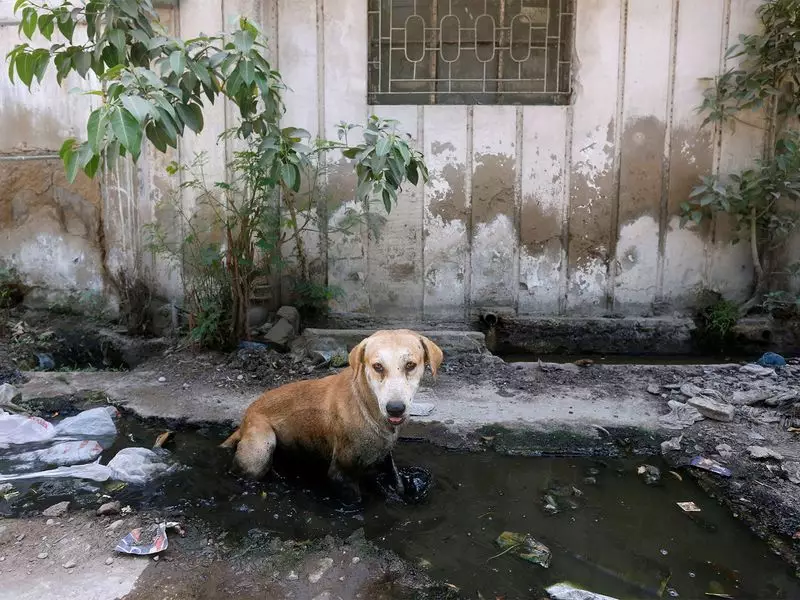
A vital initiative to eliminate rabies in Pakistan's Sindh province is on the brink of failure, crippled by a severe financial crisis. The programme, which has been instrumental in controlling the deadly disease, now faces an uncertain future as promised funds have failed to materialise, leaving thousands vulnerable to infection.
Programme Grinds to a Halt Amid Funding Shortfall
The ambitious rabies prevention and control programme was launched across Sindh with the goal of achieving zero human deaths from dog-mediated rabies by 2030, aligning with global targets set by the World Health Organization (WHO). However, this critical public health mission has hit a major roadblock. According to officials, the project has been effectively "closed" since June 2024 due to a complete lack of funds.
The financial model for the programme was a tripartite agreement involving the Sindh government, the federal government, and the international charity organisation, Istituto Zooprofilattico Sperimentale delle Venezie (IZSVe). A dedicated project management unit (PMU) was established to oversee operations. While the Sindh government allocated its share of PKR 97.5 million for the current fiscal year, the crucial contribution from the federal government, also amounting to PKR 97.5 million, has not been released. This funding stalemate has brought all activities to a standstill.
Consequences of the Collapse: A Looming Public Health Crisis
The suspension of the programme has immediate and dangerous repercussions. One of the core components now halted is the provision of free anti-rabies vaccines (ARV) and rabies immunoglobulin (RIG) to victims of animal bites at designated centres. Without these free treatments, the financial burden on bite victims, particularly from poor communities, will skyrocket, leading to potential treatment abandonment and a surge in preventable deaths.
Furthermore, the animal vaccination drive, essential for breaking the transmission cycle of the virus at its source, has also stopped. Surveillance and data collection efforts have been paralyzed. Officials warn that this interruption could reverse years of progress, leading to a sharp increase in both dog and human rabies cases. Sindh already reports a staggering number of dog bite incidents, with estimates suggesting over 150,000 people are bitten annually in the province alone.
Urgent Calls for Action and the Path Forward
Public health experts and officials within the programme are raising alarm bells. They emphasise that rabies is a 100% vaccine-preventable disease, yet it continues to claim lives due to systemic and financial failures. The current crisis highlights a critical gap in inter-governmental coordination and commitment to a declared health priority.
The situation demands urgent intervention from both provincial and federal authorities to release the blocked funds and restart the programme's operations. Sustained investment in mass dog vaccination, public awareness campaigns, and ensuring universal access to post-exposure prophylaxis are non-negotiable steps if Pakistan aims to meet its 2030 rabies elimination goal. The halt in Sindh serves as a stark warning that without reliable funding and political will, such public health ambitions remain dangerously out of reach, leaving populations at risk of a fatal but entirely preventable disease.