

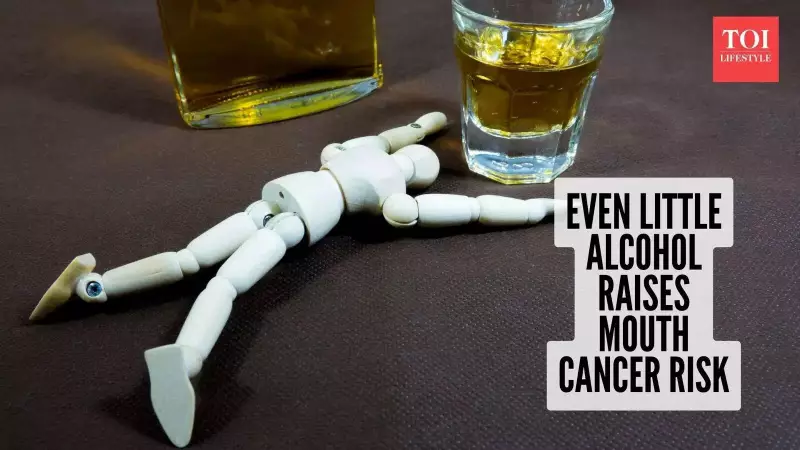
A groundbreaking new study has delivered a stark warning about a common habit, challenging the perception that moderate alcohol consumption is safe. Published in the BJM Journals, the research establishes alcohol, even in small quantities, as an independent risk factor for a specific and prevalent type of mouth cancer in India.
Alcohol's Independent Role in Buccal Mucosa Cancer
The study focused on buccal mucosa cancer, which affects the inner lining of the cheeks and ranks among the most frequently diagnosed oral cancers in the country. To understand the link, researchers conducted a detailed analysis involving 1,803 individuals diagnosed with this cancer and compared them with 1,903 healthy participants from similar backgrounds who were visitors at the same hospitals.
The primary aim was to isolate the effect of alcohol consumption from other factors. The findings were clear and concerning: alcohol alone, without the presence of tobacco, can significantly increase the risk of developing this cancer.

Local Brews vs. Foreign Liquor: A Surprising Difference
The investigation took a nuanced look at the types of alcohol consumed. Researchers categorized them into internationally recognised spirits like whisky, rum, and vodka, and locally brewed alcohol, which is widely consumed across many regions of India.
Intriguingly, the data indicated that locally brewed liquor was associated with a slightly higher cancer risk compared to foreign-brand alcohol. This distinction highlights the need for further research into the specific compounds or production methods that might contribute to the increased danger.
The Critical Threshold: How Little is Too Much?
Perhaps the most alarming revelation of the study pertains to the quantity of alcohol deemed risky. The research found that consuming just 9 grams of alcohol per day—which is less than one standard drink—increased the risk of buccal mucosa cancer by nearly 50%.
This directly contradicts the widespread belief that "small amounts" are harmless for long-term health, presenting a new public health challenge.
The Dangerous Synergy with Tobacco
While alcohol is a risk on its own, its danger multiplies when combined with tobacco use, a common practice in India. The study found that 62% of all buccal mucosa cancer cases were linked to the combined use of alcohol and tobacco, whether chewing or smoking.
Together, these substances create a far more potent harmful effect on the sensitive cells inside the mouth. The researchers estimated that approximately 11.3% of buccal mucosa cancer cases in India could be prevented if the use of both alcohol and tobacco was avoided.
This underscores the profound impact lifestyle modifications could have on reducing new cancer cases, particularly in high-risk areas. The study successfully fills a crucial knowledge gap, positioning alcohol not merely as a supporting actor but as a primary, independent culprit in mouth cancer development.
The message for public health is unequivocal: even low-level drinking carries significant long-term risks, a concern magnified by the prevalent tobacco habits in the Indian population.






