A recent online discussion initiated by a medical professional has brought renewed focus to a significant health concern: the heightened vulnerability of South Indians to type 2 diabetes compared to their counterparts in North India. The insights, shared by Dr. Swathi R Bhat, an Internal Medicine specialist, point to a combination of metabolic profile and traditional eating habits as key contributors.
The Metabolic Profile: Less Muscle, More Hidden Fat
Dr. Bhat's analysis highlights a crucial physiological difference. South Indians often possess lower skeletal muscle mass alongside higher levels of visceral fat—the dangerous fat stored deep within the abdomen around organs—even when their body weight is comparable to North Indians. This specific body composition is a major risk factor for insulin resistance, a precursor to diabetes.
Echoing this, certified diabetes educator Kanikka Malhotra explains that while individuals may appear healthy externally, the internal fat-muscle ratio is what matters. "Muscle helps the body use sugar, while belly fat can cause sugar levels to stay high for longer," she states. Dr. Jagadish Hiremath, a public health expert, elaborates that this combination creates a high-risk metabolic profile by reducing insulin sensitivity, increasing diabetes likelihood even in those not visibly overweight.

The Dietary Pattern: Carb-Dominant Meals
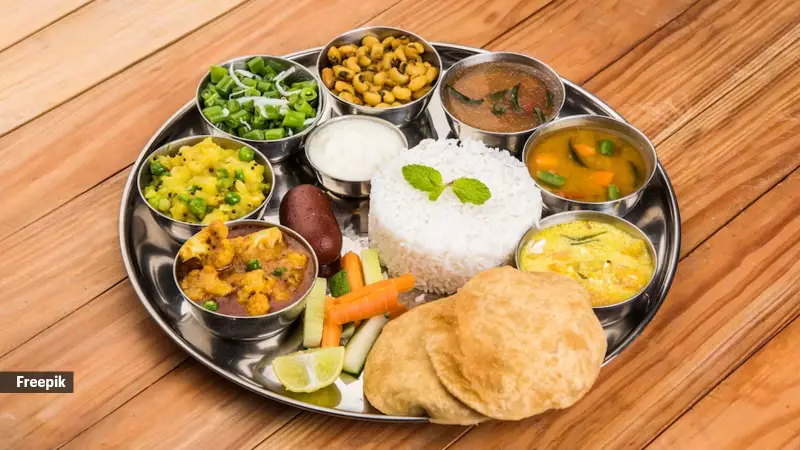
The second pillar of the increased risk lies in traditional dietary patterns. The typical South Indian diet is frequently high in refined carbohydrates, notably polished white rice, with many consuming three meals daily that are dominated by carbs. Dr. Bhat notes these meals often lack sufficient protein or fibre to balance blood sugar (glycemia).
Dr. Hiremath clarifies the impact: carbohydrate-heavy meals without adequate protein and fibre digest quickly, causing sharp spikes in post-meal blood glucose. "When this pattern is repeated across breakfast, lunch, and dinner, the pancreas is under frequent strain, and the body remains in a cycle of glucose spikes and crashes," he says. Over years, this relentless cycle contributes significantly to reduced insulin sensitivity.
Simple, Effective Fixes for Better Health
The encouraging news from experts is that mitigating this risk does not require abandoning cultural cuisine, but rather making mindful adjustments to balance the plate and lifestyle.
Dietary Shifts:
- Start with Protein: Begin meals with a source of protein like curd, dal, sambar, paneer, or eggs.
- Boost Fibre: Increase vegetable intake through poriyal, salads, or sambar to slow digestion.
- Mind Carb Portions: Be more conscious of carbohydrate portion sizes. Traditional fermented foods like dosa or idli can be paired with protein-rich sides like chutneys, podis, or lentil-based dishes to prevent rapid sugar spikes.
Lifestyle Modifications:
- Strength Training: Incorporate structured strength training 2-3 days a week to build muscle mass, which improves glucose utilisation.
- Reduce Sedentary Time: Break up long sitting periods with short walks or mobility exercises throughout the day.
- Manage Stress and Sleep: Prioritise good sleep quality and stress management, as both directly influence fat storage and appetite hormones.
Malhotra summarises the approach positively: "It’s not about giving up traditional foods, but balancing the plate better to keep blood sugar steady and protect your health." These evidence-based, practical steps can help address the unique metabolic and dietary challenges, empowering individuals to reduce their diabetes risk effectively.
Disclaimer: This article is based on information from public domain sources and expert commentary. It is intended for informational purposes only. Always consult your healthcare practitioner or a certified dietician before making any significant changes to your diet or exercise routine.