

Dakshina Kannada Health Department Launches Intensive Leprosy Awareness Drive
The health department in Dakshina Kannada district is set to roll out the Sparsh Leprosy Awareness Campaign, a nationwide initiative that commenced on Anti-Leprosy Day. This comprehensive program will run from January 30 to February 13, aiming to tackle the deep-rooted stigma associated with leprosy, encourage early detection and treatment, and educate local communities about the disease.
District Health Officer Reveals Current Leprosy Statistics
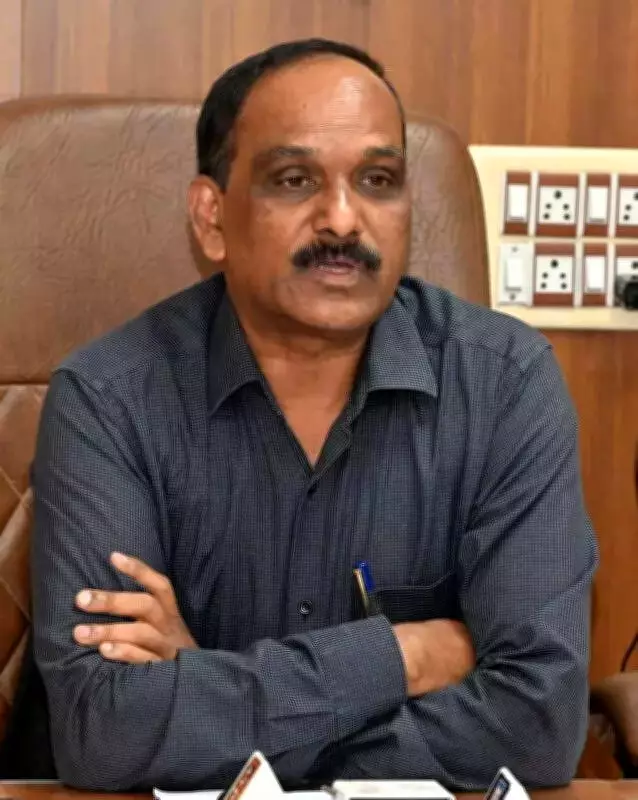
District Health Officer Dr HR Thimmaiah addressed reporters on Thursday, disclosing that 47 cases of leprosy have been reported in Dakshina Kannada during the 2025-26 fiscal year, up until the end of December. He emphasized that all diagnosed individuals are receiving free Leprosy Multidrug Therapy (MDT) as part of the government's commitment to eradication.
In addition to MDT, the government extends a range of supportive services to patients, including:

- Disability Prevention and Medical Rehabilitation (DPMR) services
- Specialized splints and self-care kits
- Multicellular rubber footwear
- Reconstructive surgery options
Dr Thimmaiah also advised the public to utilize free tele-consultation platforms such as sanjeevani.opd or esanjeevani.in if they encounter any symptoms, ensuring accessible healthcare guidance.
Combatting Social Stigma Through Grassroots Initiatives
The primary obstacle in leprosy management remains the pervasive social stigma that often leads to discrimination against patients. To address this, the health department has orchestrated a series of awareness programs targeting rural areas via gram panchayats. The goal is to foster an environment where patients are treated with dignity and without disparity.
Key strategies include:
- Training ASHA workers and staff from various departments to spearhead awareness campaigns
- Executing door-to-door outreach to disseminate accurate information
- Visiting educational institutions to engage students and young adults
These efforts are designed to cultivate a more informed and empathetic society, ultimately working towards the elimination of social stigma surrounding leprosy.
Detailed Analysis of Leprosy Cases in Dakshina Kannada
Dr Thimmaiah provided a breakdown of the 47 cases reported between April and December, revealing that 42 were multibacillary (MB) leprosy, while five were paucibacillary leprosy. Notably, only one case involved a child, indicating a relatively low incidence among younger populations.
Historical data shows fluctuating case numbers over recent years:
- 29 cases in 2020-21
- 39 cases in 2021-22
- 75 cases in 2022-23
- 62 cases in 2023-24
- 43 cases in 2024-25
The spike in 2022-23 is attributed to the Covid-19 pandemic, which hindered hospital visits in preceding years, leading to delayed diagnoses. Furthermore, Dr Thimmaiah highlighted that approximately 40-50% of the cases reported in Dakshina Kannada involve patients from other districts and states, underscoring the regional significance of the campaign.






