

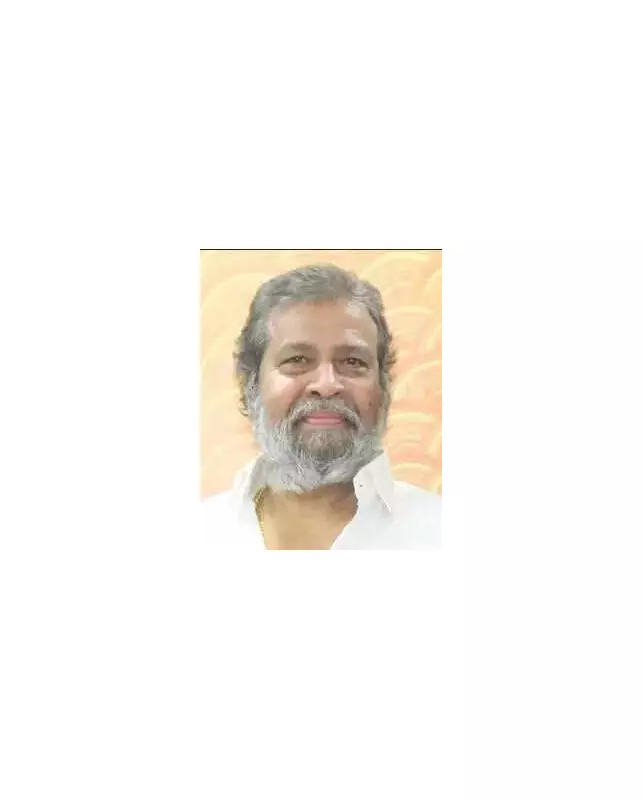
In a significant move to combat the growing burden of lifestyle-related illnesses, the Telangana government has announced a renewed and sharpened strategy focusing on the prevention, control, treatment, and palliative care of non-communicable diseases (NCDs) by the year 2026. The announcement was made by State Health Minister Damodar Rajanarasimha on Wednesday.
The Alarming Scale of NCDs in Telangana and India
Health officials presented a stark picture of the current health crisis. Non-communicable diseases such as diabetes, hypertension, non-alcoholic fatty liver disease (NAFLD), coronary artery disease, and cancers are now responsible for a staggering 63 to 65 percent of all deaths across India. The situation in Telangana is particularly concerning.
Recent studies and surveys indicate that nearly one in every three adults in the state suffers from hypertension. The prevalence of diabetes is estimated to be between 14 and 16 percent, with urban districts like Hyderabad, Rangareddy, and Medchal–Malkajgiri reporting even higher numbers.

Expanding Access and Tackling Root Causes
Minister Rajanarasimha emphasised that making specialised care accessible to rural communities is a key pillar of the government's plan. This is being achieved through the establishment of dedicated NCD clinics and day care cancer clinics in various districts.
The rise in NCDs is largely attributed to modifiable risk factors, including:
- Rising obesity rates and sedentary lifestyles
- Unhealthy dietary habits with excess salt and sugar consumption
- Use of tobacco and alcohol
- Rapid urbanisation and increasing psychological stress
Expert Advice for Prevention and Early Detection
Dr. A Narendra Kumar, the Director of Medical Education (DME) for Telangana, outlined crucial steps citizens can take to protect their health. He advised people to maintain regular daily routines, ensure adequate sleep, and adopt balanced home-cooked diets.
He also recommended practising meal sequencing—consuming fibre and protein first—engaging in at least 30 minutes of physical activity daily, and managing stress effectively. Avoiding harmful habits like tobacco use and excessive alcohol consumption is paramount.
Dr. Kumar strongly advocated for regular health check-ups, even when no symptoms are present, to enable early detection and significantly reduce long-term complications.
Boosting Critical Care Infrastructure Across the State
In a parallel development to strengthen the healthcare system's response, the state is set to operationalise over 100 critical care units and trauma centres by 2026. The life-saving ‘108 ambulance' service is being expanded with an ambitious goal: to reach accident sites within 10 minutes and provide immediate medical aid.
Furthermore, four new super-speciality hospitals dedicated to critical ailments such as heart, kidney, and cancer problems will be opened. These facilities will provide free treatment for the poor, ensuring that advanced care is not limited by economic status.
The combined focus on preventive public health education, early detection, and robust treatment infrastructure marks a comprehensive approach by the Telangana government to tackle the NCD epidemic head-on in the coming years.






