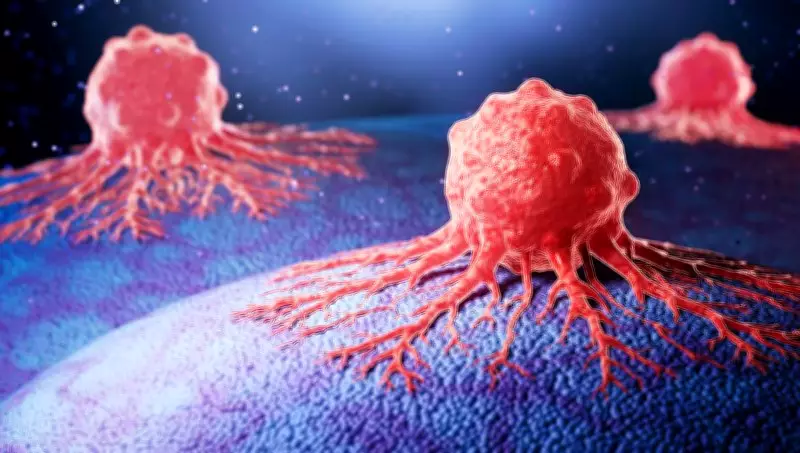
The World Health Organization (WHO) has released a report indicating that nearly everyone—92 percent of the global population—will be affected by the impacts of cancer at least once in their lifetime. One in five people will develop the disease themselves, according to the analysis developed jointly with the International Agency for Research on Cancer (IARC).
Stark Inequities in Cancer Care Access
The report reveals persistent and widening inequities in access to prevention, diagnosis, treatment, and supportive care. While 87 percent of women with breast cancer survive five years in high-income countries, only about 42 percent survive in low-income countries. Fewer than one in three countries currently include cancer care in their universal health coverage packages.
“One in five of us will develop cancer ourselves. When we account for the impacts of a cancer diagnosis on close family members, roughly 92 percent of all people globally will be affected by cancer at least once in their lifetime,” the authors wrote.

Global Burden of Cancer
Cancer claims more than 26,000 lives every day, with an estimated 20.6 million new cases and close to 10 million deaths annually. It remains the second leading cause of death globally, after cardiovascular disease.
Progress and Gaps in Cancer Control
The report highlights some progress: tobacco control has declined by 27 percent globally, and 82 percent of countries have a national cancer control plan. However, these advances are not translating into life-saving actions at the required pace. Essential cancer medicines remain out of reach for many—availability of the top 20 priority cancer medicines ranges from 9 to 54 percent in low- and lower-middle-income countries, compared with 68 to 94 percent in high-income countries.
Call for Action
The authors call on governments, international organizations, civil society, academic institutions, the private sector, and WHO to work together for a people-centered, holistic approach to care. They urge integrating cancer control into universal health coverage, placing people with lived experience at the center of cancer systems, strengthening social protection, aligning research and innovation with public health needs, and ensuring equitable access to value-based advances in care.