

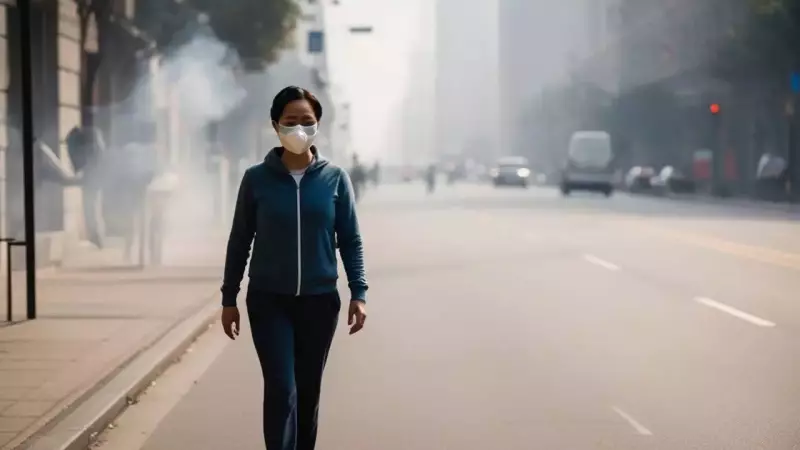
Walking is celebrated as one of the simplest and most effective ways to boost physical fitness and mental well-being. It strengthens the heart, aids in weight management, and reduces stress. However, for millions of Indians in major urban centres, this healthy habit could be carrying a hidden danger: the timing of your walk might expose you to dangerously high levels of air pollution, potentially doing more harm than good.
The Hidden Danger in Your Daily Walk
While the benefits of physical activity are undeniable, environmental scientists and public health experts are sounding the alarm about a critical factor: when you choose to walk outdoors. Contrary to popular belief that early mornings offer the freshest air, studies show that air pollution in cities like Delhi, Mumbai, Bengaluru, and Kolkata often peaks during the early morning and late evening hours.
Research, including findings published in the journal Science of the Total Environment, indicates that concentrations of harmful pollutants like fine particulate matter (PM2.5) and nitrogen dioxide are frequently at their highest during these times. This surge is primarily driven by peak traffic periods, as millions of vehicles hit the roads, combined with emissions from industrial and domestic activities. Exercising outdoors during these pollution spikes means inhaling a larger volume of toxic air, which can counteract the positive effects of the walk itself.

Why Pollution Peaks at Dawn and Dusk: The Science Explained
A key meteorological phenomenon, known as temperature inversion, plays a major role in trapping pollution near the ground. Normally, warmer air near the surface rises, carrying pollutants upward to disperse. During a temperature inversion, however, a layer of cooler air is trapped near the ground by warmer air above, acting like a lid. This lid prevents pollutants from escaping, causing them to accumulate at the exact height where people breathe.
These inversions commonly occur at night and persist into the early morning, explaining why air quality is often worst just before sunrise. A similar pattern can emerge again in the late evening. For the urban walker or jogger, this means navigating through a concentrated cloud of emissions.
The Silent Threat of PM2.5
The most concerning pollutant is PM2.5—microscopic particles smaller than 2.5 micrometres. Due to their minuscule size, they bypass the body's natural defences in the nose and throat, penetrating deep into the lungs' alveoli, where oxygen exchange occurs. Studies in journals like Toxicological Research link chronic PM2.5 exposure to reduced lung function, aggravated asthma, and increased heart disease risk.
The risk is amplified during exercise. When you walk or jog, you breathe more rapidly and deeply, drawing a greater volume of polluted air into your lungs. This effectively increases your dose of harmful particles, posing a threat even to otherwise healthy adults.
How to Protect Your Health: Safer Alternatives and Timings
The good news is that with informed choices, you can still reap the benefits of walking while minimising risk. The consensus from public health research points to mid-morning to early afternoon as the safest window for outdoor exercise. By this time, sunlight has typically warmed the atmosphere, helping to break up temperature inversions and disperse pollutants.
Additional protective measures include:
- Choosing greener routes: Parks and tree-lined streets act as natural air filters. Urban studies confirm vegetation can absorb some pollutants, offering cleaner air.
- Avoiding high-traffic roads: Steer clear of busy highways and congested streets to reduce direct exposure to vehicle exhaust.
- Monitoring air quality: Use real-time air quality index (AQI) apps to plan your outdoor activities on days when pollution levels are lower.
On days when the AQI is very poor or severe, shifting your workout indoors is the safest strategy. Activities like yoga, home cardio routines, or bodyweight exercises allow you to maintain fitness without the respiratory risks.

For vulnerable groups—including children, the elderly, and individuals with pre-existing conditions like asthma, COPD, or heart disease—these precautions are even more critical. Simple adjustments, based on an understanding of pollution patterns, can make a profound difference in safeguarding long-term respiratory and cardiovascular health.





