

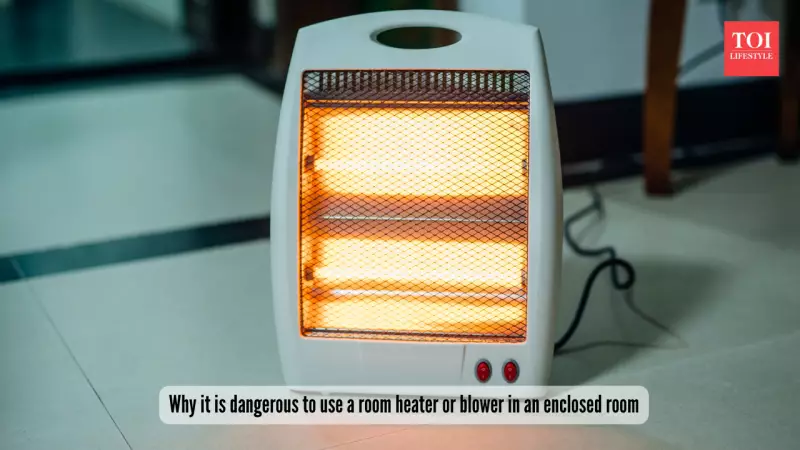
Winter Heaters Pose Deadly Risks in Enclosed Spaces
Winter in northern India brings bone-chilling cold waves, with temperatures often dropping below freezing. People across the region seek warmth and comfort in their homes. Many turn to room heaters, blowers, and traditional hearths to fight the bitter cold. These devices promise instant relief from the harsh weather. However, they hide serious dangers that can turn cozy nights into emergencies.
Carbon Monoxide: The Silent Killer in Sealed Rooms
Using heaters in enclosed rooms creates a deadly risk of carbon monoxide buildup. Gas heaters and firepots produce this odorless gas when oxygen levels drop. The lack of fresh air causes excessive carbon dioxide from breathing to convert into carbon monoxide. This toxic gas accumulates silently without any smell or visible signs.
Victims may experience headaches, dizziness, or nausea. These symptoms are often mistaken for the flu. In severe cases, carbon monoxide poisoning leads to sudden death. Electric blowers worsen the situation by drying out the air. This dry air stresses the lungs and respiratory system. Safety experts strongly advise maintaining proper ventilation. Keeping windows slightly open or having air cracks can prevent poisoning.

Fire Hazards from Overheating Devices
Room heaters and blowers can overheat quickly in closed spaces. Blocked vents or continuous use without breaks make internal parts glow red-hot. These hot components can ignite nearby flammable materials like curtains, rugs, or furniture. Fires can spread instantly, trapping occupants inside.
The National Fire Protection Association reports alarming statistics. Space heaters cause 43% of all home heating fires in the United States. These fires account for 85% of heating fire deaths. The US Consumer Product Safety Commission recommends keeping heaters at least three feet away from anything flammable. Never leave heating devices unattended, especially while sleeping.
Electrical Shocks and Faulty Wiring Dangers
Frayed cords on heaters or blowers pose significant electrical risks. Overloading circuits in enclosed areas can lead to sparks or shocks. Extension cords may melt under high power draw, starting hidden fires. Damp rooms increase the risk of electrical shocks, especially in winter humidity.
Regular inspection of wires and plugs is crucial. Always plug heaters directly into wall outlets, not extension cords. Careless electrical setups cause thousands of injuries each year. The Consumer Product Safety Commission warns against using damaged or old heating devices.
Respiratory Issues from Dry Air and Pollutants
Blowers and heaters produce dry heat that affects indoor air quality. This dry air stirs up dust, mold spores, and pet dander in tight rooms. People with asthma or allergies may experience worsened symptoms. Common issues include irritated throats, persistent coughs, and breathing difficulties.
Firepots add smoke particles to the air, further contaminating the environment. Cleaning heater filters regularly helps reduce pollutants. Using humidifiers alongside heaters maintains moisture levels for easier breathing.
Physical Hazards: Tipping Devices and Overheating Risks
Unstable firepots or top-heavy blowers can tip over easily in small spaces. This can expose hot coils or flames to flammable surfaces. Vulnerable individuals like seniors or children face hyperthermia risks from overheating in sealed rooms.
Proper placement of heaters on stable surfaces prevents tipping accidents. Monitoring room temperature and taking breaks from heating devices reduces health risks. Awareness and caution are essential for safe winter heating practices across Indian households.






