Opposition Unity Shatters in Rajya Sabha Elections Across States
The biennial Rajya Sabha elections held on Monday laid bare the deep fractures within opposition ranks, with a combination of absentee legislators, cross-voting, and procedural disputes undermining their electoral prospects in key states. The Grand Alliance in Bihar, the Biju Janata Dal-Congress alliance in Odisha, and the Congress in Haryana all faced significant setbacks, highlighting a failure to maintain discipline and cohesion.
Bihar: Absentee MLAs Cost Grand Alliance a Crucial Seat
In Bihar, the Mahagathbandhan's lone candidate, Amarendra Dhari Singh of the Rashtriya Janata Dal, suffered a defeat after four opposition legislators—three from the Congress and one from the RJD—failed to cast their votes. This absenteeism proved decisive: had they participated, Singh would have secured 41 votes, surpassing the required threshold of 40. Instead, he managed only 37 votes. This loss marks a stark contrast to the 2014 Rajya Sabha vote in the state, when JD(U) candidates Pavan Varma and Gulam Rasool Balyawi overcame cross-voting by party MLAs to defeat BJP-backed independents.
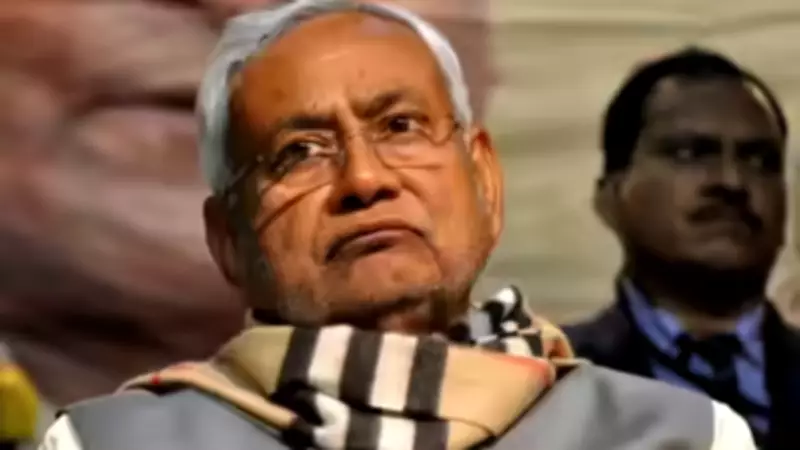
Meanwhile, the National Democratic Alliance swept all five Rajya Sabha seats in Bihar. The winning candidates included outgoing Chief Minister Nitish Kumar, new BJP president Nitin Nabin, Union minister Ram Nath Thakur, Rashtriya Lok Morcha president Upendra Kushwaha, and state BJP general secretary Shivesh Kumar. All 202 NDA MLAs voted without any reported cross-voting. Nitish Kumar and Nitin Nabin each polled 44 votes, while Ram Nath Thakur and Upendra Kushwaha received 42 votes each. Shivesh Kumar secured 30 first-preference votes, crossing the threshold through second-preference counting.

Odisha: Cross-Voting Hands BJP-Backed Independent a Surprise Victory
In Odisha, cross-voting by 11 legislators—eight from the BJD and three from the Congress—delivered a bonus Rajya Sabha seat to BJP-backed Independent candidate Dilip Ray. This upset the BJD and Congress's joint candidate, Datteswar Hota. BJP nominees Manmohan Samal and Sujeet Kumar won comfortably, as did BJD's Santrupt Misra. The BJD, with 50 MLAs including two suspended members, had sufficient strength to secure one seat independently and had allied with Congress's 14 MLAs to aim for a second. However, the cross-voting disrupted this arithmetic.
BJD president and former Chief Minister Naveen Patnaik accused the BJP of horse-trading, alleging that most non-BJP MLAs who supported the governing party had "criminal backgrounds." In response, Chief Minister Mohan Charan Majhi labeled Patnaik's remarks as "immature" and stated that they insulted both the MLAs and the voters who elected them. Odisha Pradesh Congress Committee president Bhakta Charan Das expressed surprise at the defection of three Congress MLAs—Sofia Firdous, Ramesh Jena, and Dasarathi Gamango—and confirmed that the matter had been escalated to the party high command.
For Dilip Ray, this victory echoed a familiar script. The former Union minister had previously won a Rajya Sabha seat in 2002 under similar circumstances, contesting as an Independent after expulsion from the BJD and benefiting from large-scale cross-voting.
Haryana: Ballot Secrecy Dispute Leaves Outcome in Limbo
In Haryana, the election for two Rajya Sabha seats remained unresolved late into Monday night after both the BJP and Congress lodged formal complaints with the Election Commission. Of the 90 MLAs in the legislative assembly, 88 participated in the voting, with both Indian National Lok Dal legislators abstaining. Abhay Chautala of the INLD cited a lack of confidence in either major party as the reason for the abstention.
The three candidates in the fray are BJP's Sanjay Bhatia, Congress nominee Karamvir Singh Boudh, and BJP-backed Independent Satish Nandal. The BJP holds 48 seats in the assembly, Congress has 37, and there are three independent legislators. BJP minister Krishan Kumar Bedi filed two objections, alleging that two Congress legislators failed to fold their ballots correctly, thereby compromising vote secrecy. As the night wore on, the presiding officer awaited a ruling from Chief Election Commissioner Gyanesh Kumar to resolve the dispute, leaving the final outcome hanging in the balance.

These elections underscore the ongoing challenges faced by opposition parties in maintaining unity and discipline, while the NDA demonstrated robust coordination and control over its legislative members.